Lu Xun has been enjoying another wave of attention lately, which makes this a good time to revisit his collected works in a serious way.
The materials discussed here include two different editions of The Complete Works of Lu Xun:
- the 20-volume edition compiled by Shanghai Fushe in 1938
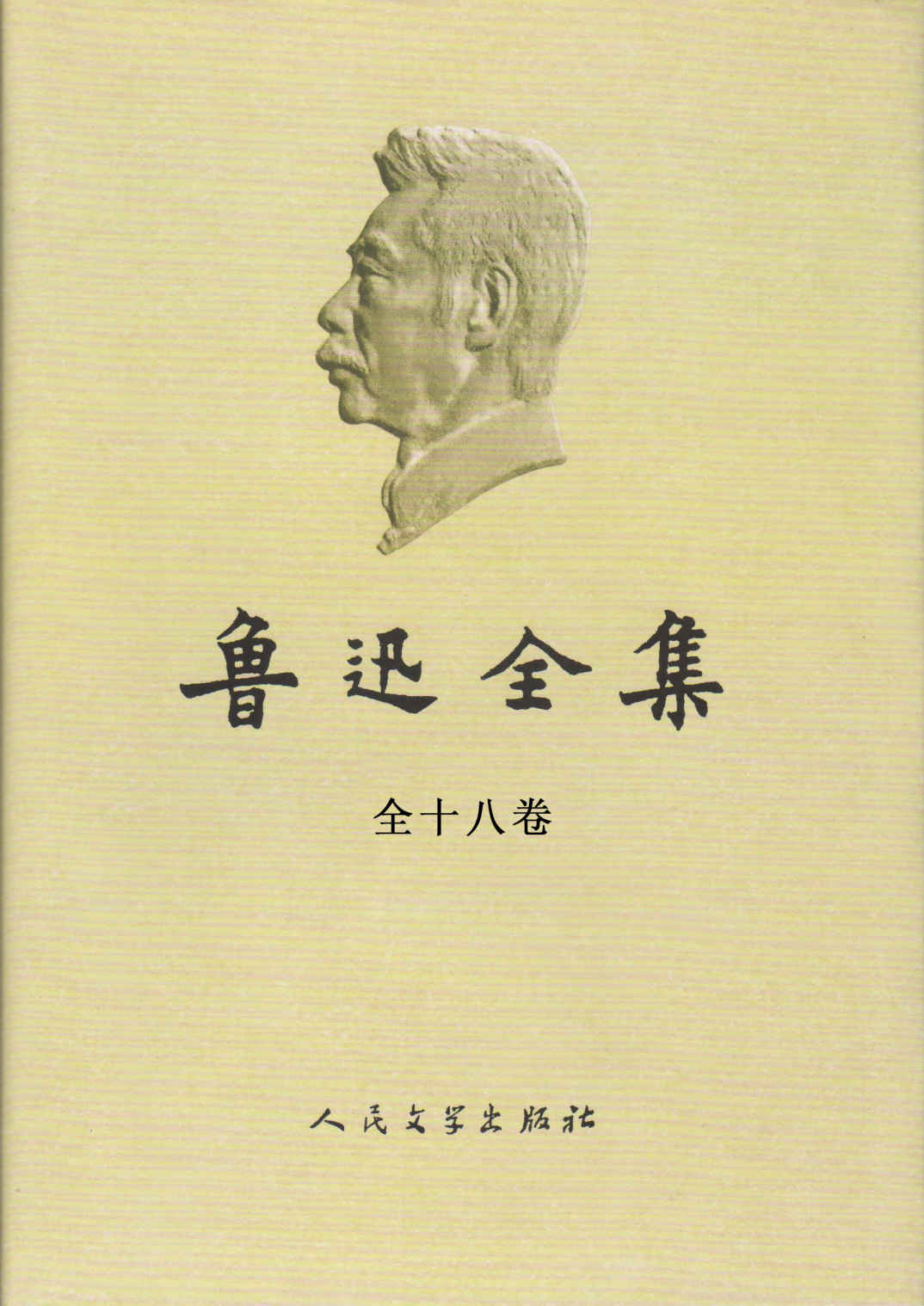
- the 18-volume edition compiled by People’s Literature Publishing House in 2005
If the goal is simply to choose between them, the short answer is straightforward:
The 18-volume People’s Literature edition is the most authoritative, the most scholarly, the most complete in terms of Lu Xun’s own writings, and the most heavily annotated. If you want the best all-around edition for reading and study, this is the one to use.
The 1938 Shanghai Fushe 20-volume edition was the first complete Lu Xun collection ever published, so its historical value is extremely high. But it is not fully comprehensive, and it contains little to no annotation. Its main distinction is that it includes Lu Xun’s collations of classical texts and his translations. If you want those materials in particular, this is the edition worth consulting.
A brief look at the major editions helps explain why these two versions are valued differently.
The first edition, published in 1938, was produced under the constraints of a period when publishing a complete works required official approval, and some of Lu Xun’s books were subject to suppression. Because of that, the collection had to be issued through non-official channels, with Shanghai Fushe taking on the editorial work. The entire compilation was completed in only four months, so omissions were almost unavoidable.
The second edition was the 1958 10-volume version published by People’s Literature Publishing House. This was the first time annotations were added to a Lu Xun collection. Despite its title as a “complete works,” it was in fact the least complete of the major editions. It gathered Lu Xun’s creative writing, criticism, and literary-historical works, but his translations of foreign literature and some edited or collated works were issued separately rather than included.
The third edition, published in 1973, was a 20-volume set from People’s Literature Publishing House based on a reset version of the 1938 edition. It removed Cai Yuanpei’s preface and made some additional alterations. As a product of a highly particular historical moment, it does not present Lu Xun’s body of work in a fully intact way.
The fourth edition appeared in 1981, again from People’s Literature Publishing House. Built on the 1958 10-volume version, it added Out-of-Collection Supplement and Further Supplement, Collected Prefaces and Postscripts to Classical Texts, and Collected Prefaces and Postscripts to Translations. It also included Lu Xun’s diaries from 1912 to 1936—with 1922 missing—along with all letters that could be gathered at the time. The preparation of this edition involved nearly all of the most important scholars in the field, and it came to be widely regarded as an indispensable version for anyone reading or researching Lu Xun. Even so, it still did not include Lu Xun’s translated works themselves.
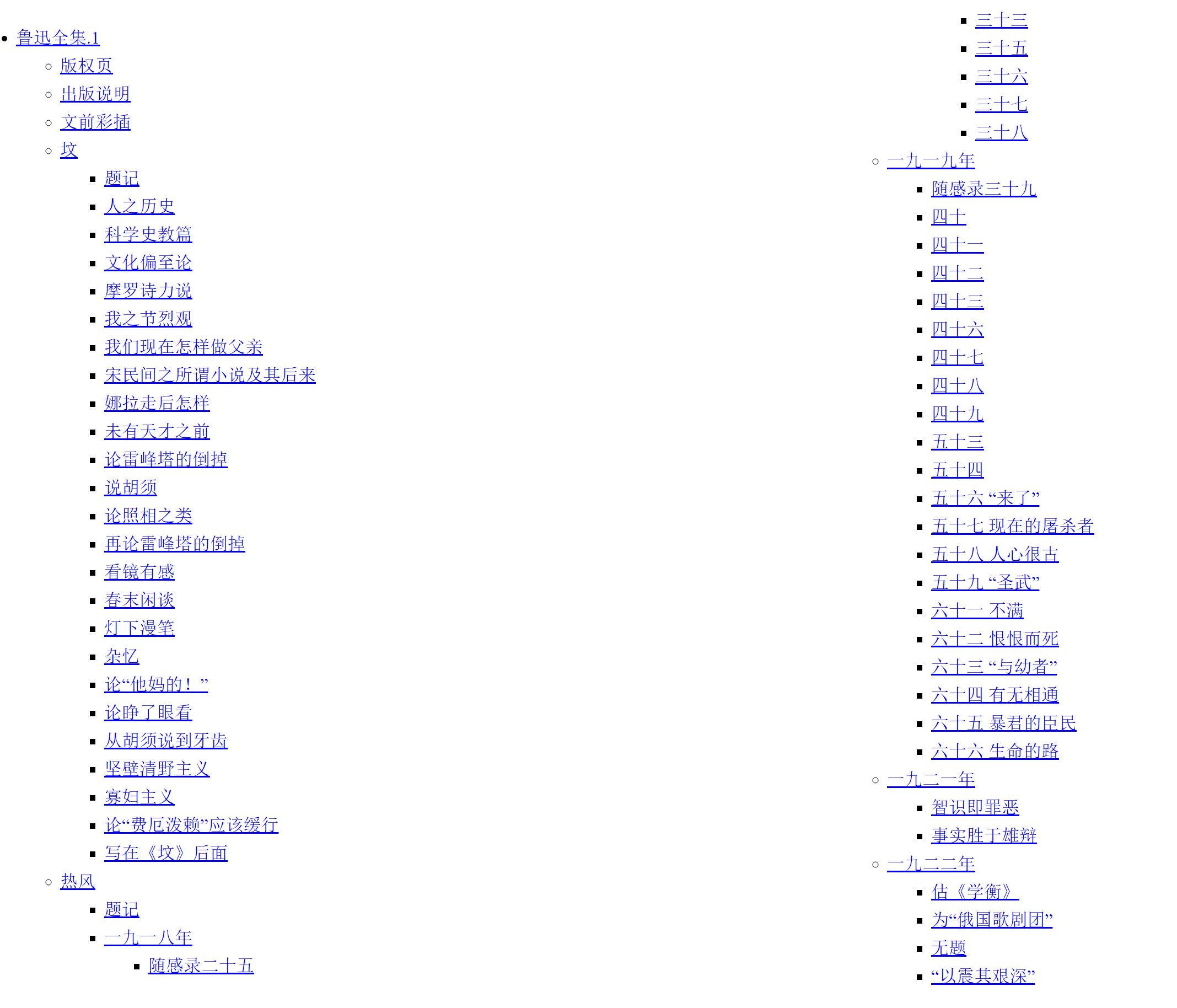
The fifth edition, published in 2005 by People’s Literature Publishing House, is the fullest major edition of Lu Xun’s writings and the one whose annotations are generally considered more objective and precise. Revision work began in May 2002. Nearly 1,000 textual changes were made, more than 2,000 annotations were revised or added, over 100 lost essays, lost letters, and original letters were incorporated, and about 100,000 characters of materials compiled from Lu Xun’s replies to Masuda Wataru were included. Even in this edition, however, Lu Xun’s translation collections were still not incorporated into the complete works.
Compared with the 1981 edition, the 2005 set added 24 lost essays, 18 lost letters, the 68 original letters from Letters from Two Places, and around 100,000 characters of Collected Replies to Masuda Wataru’s Questions. The total number of volumes increased from the 16 volumes of the 1981 edition to 18 volumes: 10 volumes of creative work, 4 volumes of letters, 3 volumes of diaries, and 1 volume of index, for a total of roughly 7 million characters. The revision involved more than 1,000 textual corrections and a large-scale expansion and rewriting of the notes. Another summary of the same edition states that it added 23 lost essays, expanded the correspondence and diary sections by one volume each, introduced more than 1,000 textual emendations, and made the annotations more objective, balanced, and rigorous.
So if the main purpose is to read Lu Xun systematically, the 2005 18-volume People’s Literature edition is the clearest choice. If the priority is historical significance—or access to Lu Xun’s work on classical textual collation and his translations—the 1938 20-volume Shanghai Fushe edition remains worth seeking out.