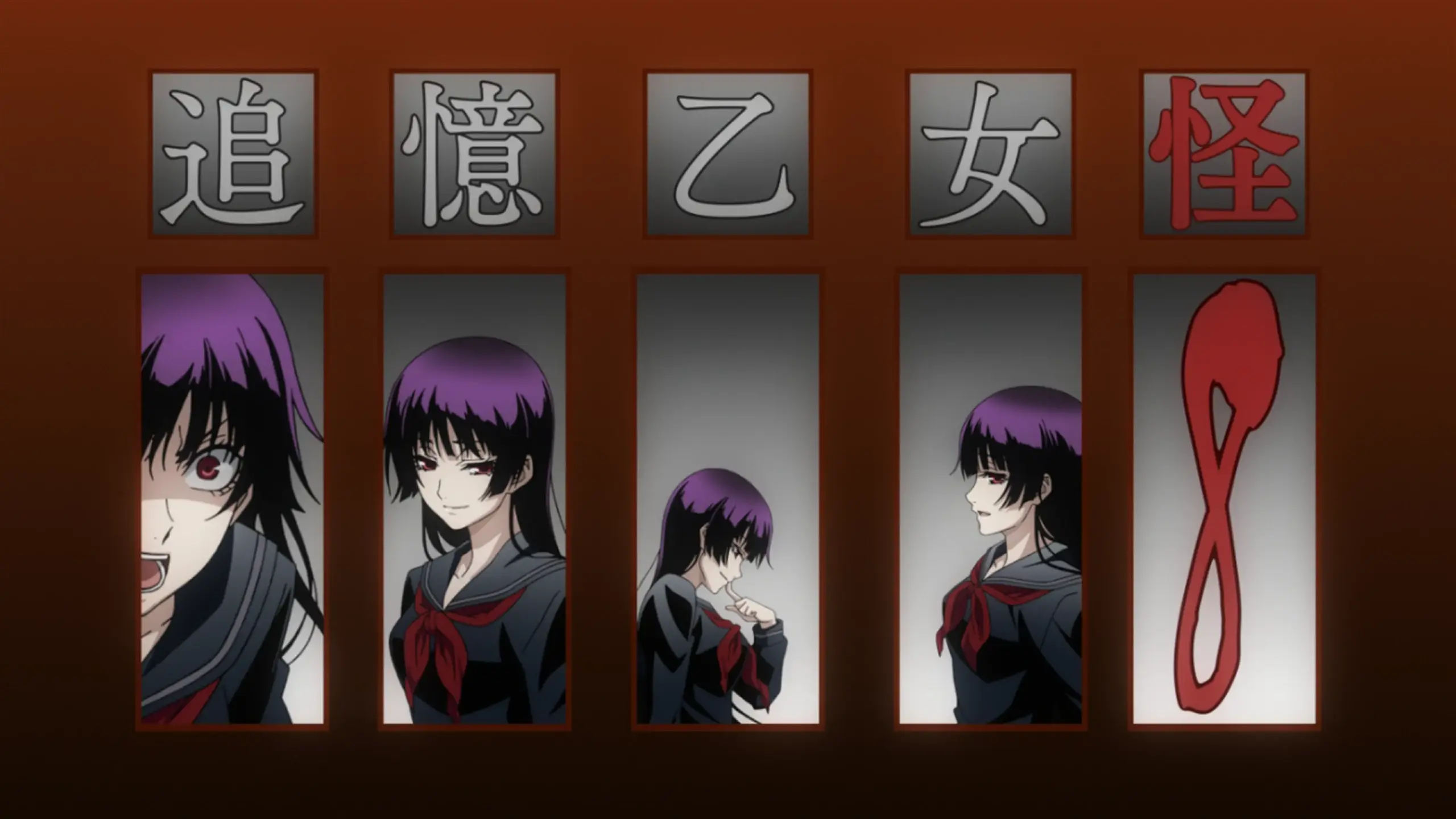
End cards by episode
One of the fun extra touches in Dusk Maiden of Amnesia is its run of episode end cards, each handled by a different artist. Looking through them is half appreciation, half guessing game: sometimes the artist’s trademark style is so obvious that you can identify them at a glance.
Episode 1 — Hekiru Hikawa
Hekiru Hikawa is the original manga creator of Pani Poni, the series that later became the Shaft anime Pani Poni Dash!. Hikawa has also worked in animation character design, including Concrete Revolutio. Interestingly, the art style in the more recent manga Our Everyday Lives Have Just Begun feels quite far removed from this card.
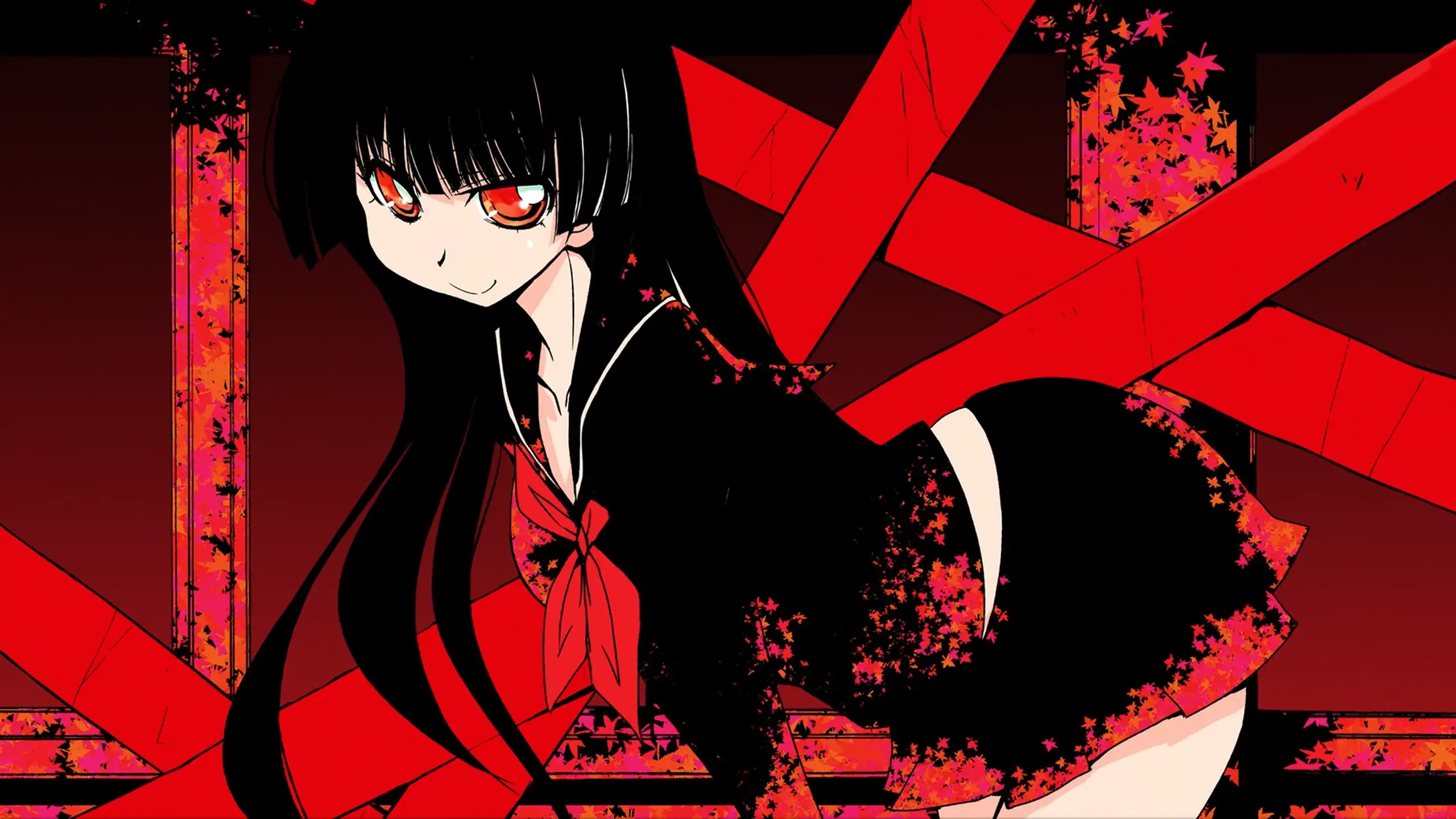
Episode 2 — Izumi Kirihara
Izumi Kirihara has been active across manga and anime illustration work. More recently, Kirihara adapted two works by Yoru Sumino into manga form; the better-known one is probably the manga version of I Want to Eat Your Pancreas.
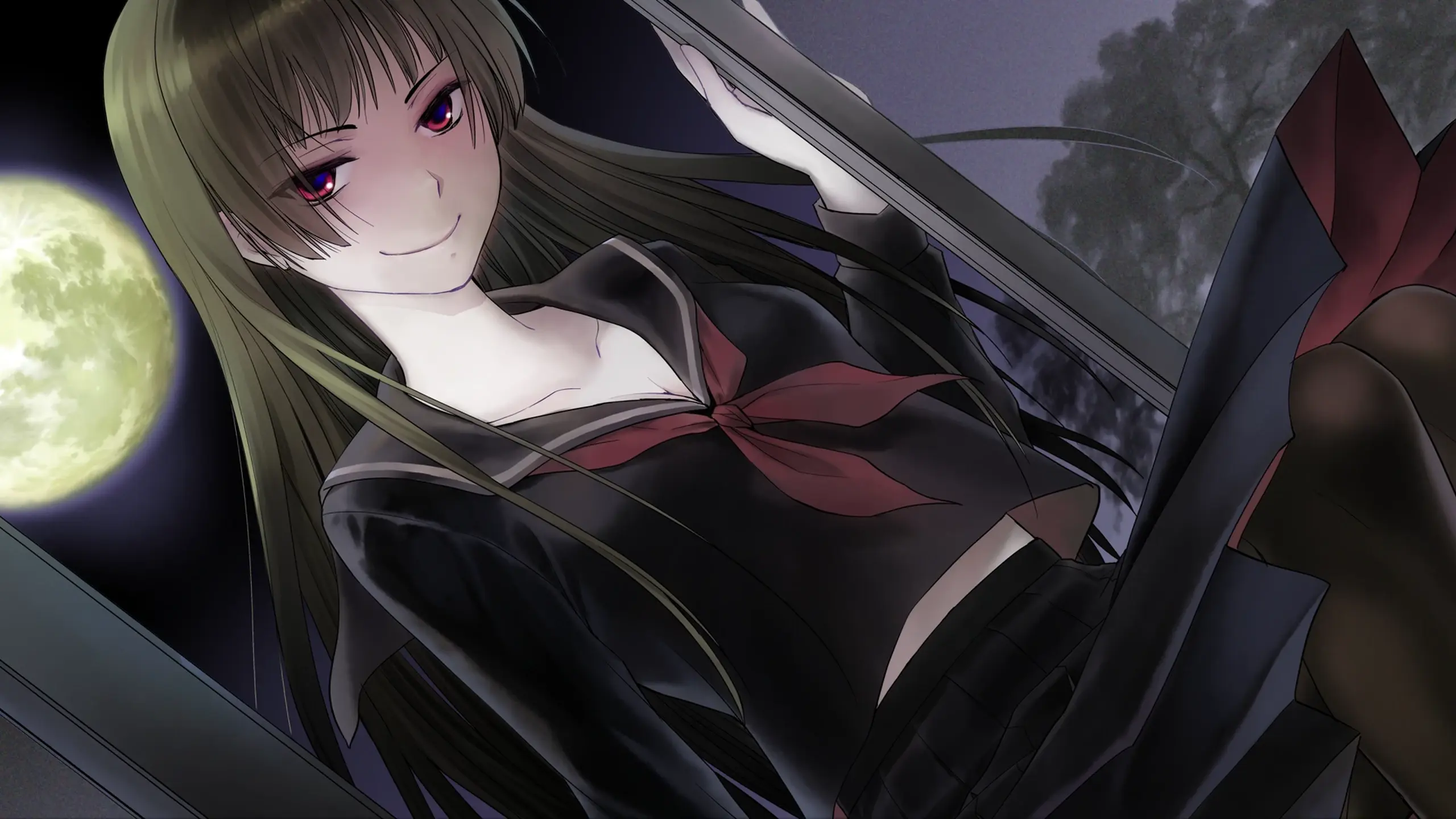
Episode 3 — Ruroo
This one is immediately recognizable if you have seen—or even just heard of—Unbreakable Machine-Doll. It really does look like Yaya in Yuuko-senpai’s uniform.
Beyond that series, Ruroo has also done character design work connected to titles such as Oreshura and Reincarnated as a Sword.
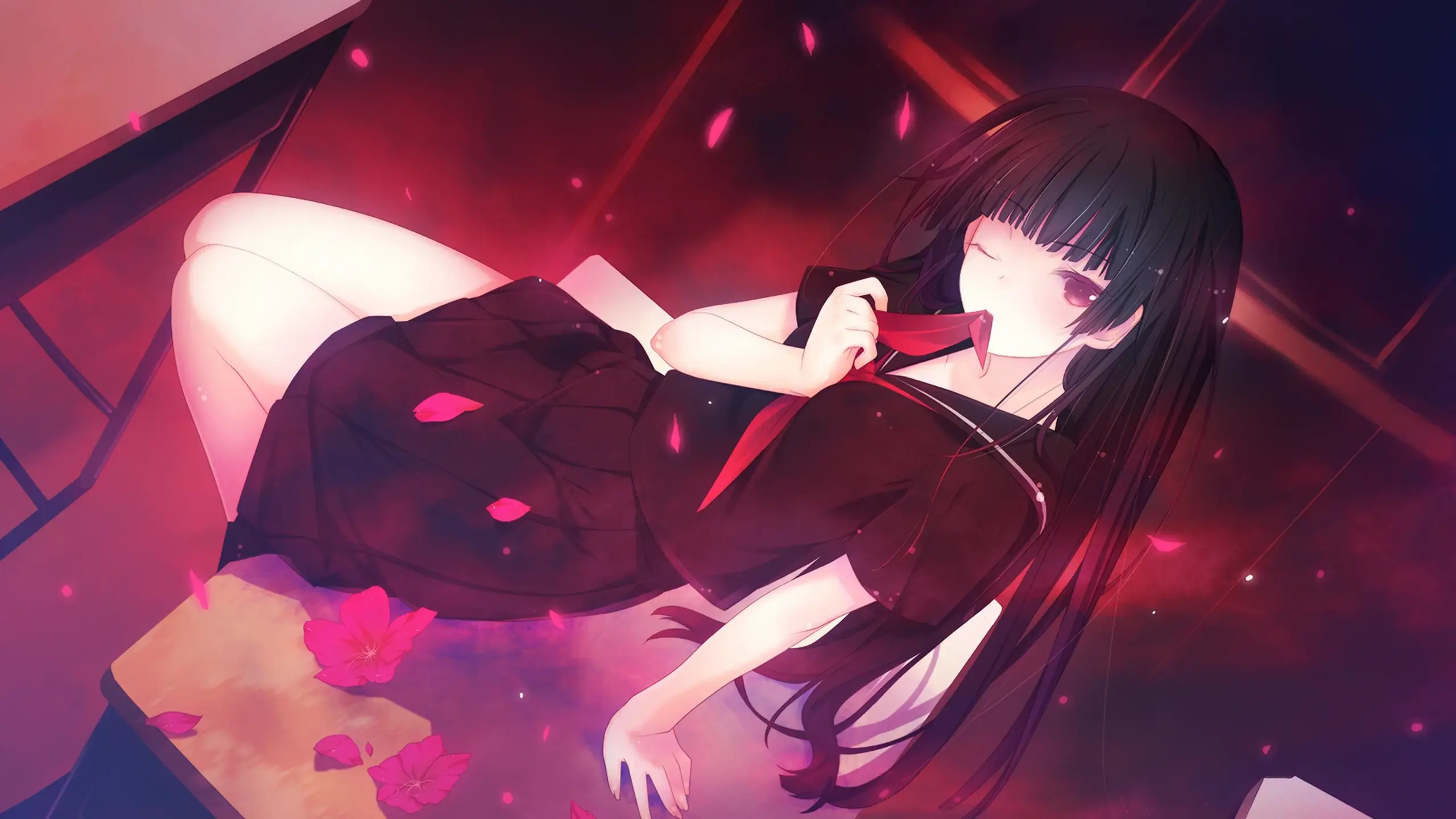
Episode 4 — Ponkan⑧
Ponkan⑧ is another artist whose style stands out instantly. This card gives off such a strong Yukinoshita Yukino impression that it is hard not to see it.
Ponkan⑧ is best known for illustrating the light novel series My Youth Romantic Comedy Is Wrong, As I Expected. Their style also went through a fairly noticeable transformation at one stage. They were also involved in character design for Shirobako.
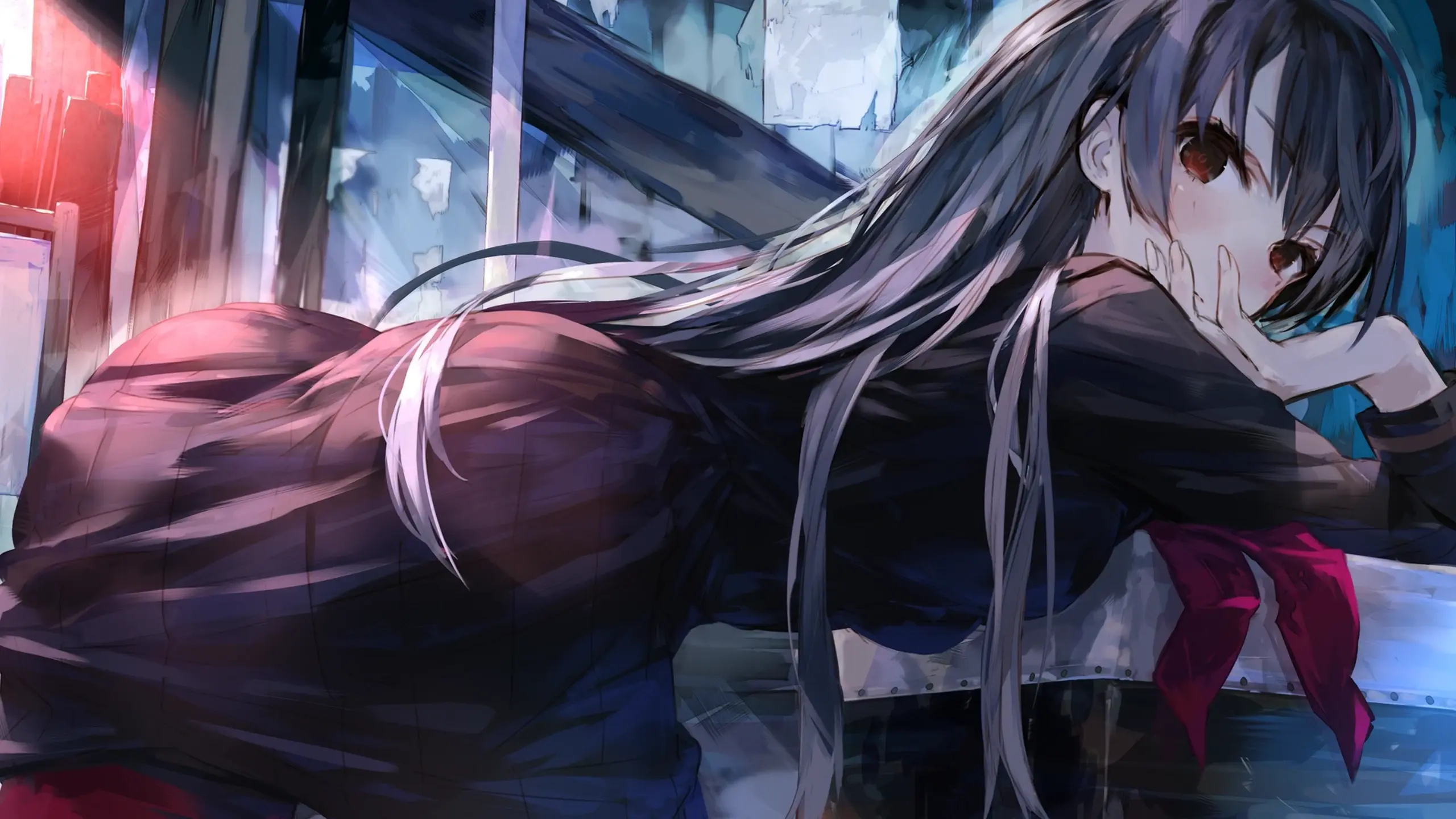
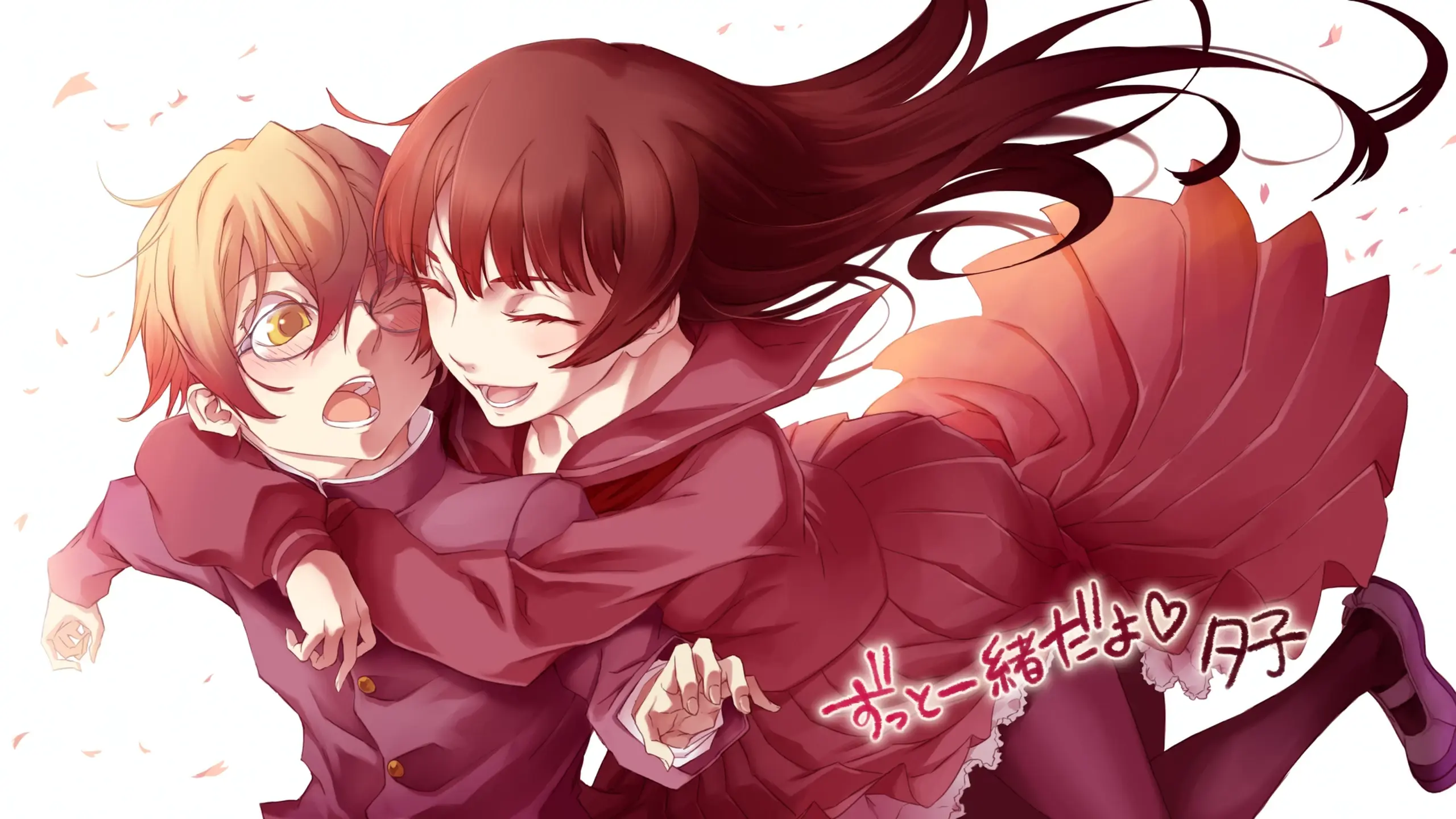
Episode 5 — Ryota Yuzuki
Ryota Yuzuki’s work tends to be very consistent in one respect: a strong preference for drawing very young-looking girls, especially elementary school-age characters. But this end card seems to go in a different direction, with the cast dressed up as characters from anime that were especially popular around 2012. In the lower left, for example, Kirie appears to be styled after Rikka Takanashi.
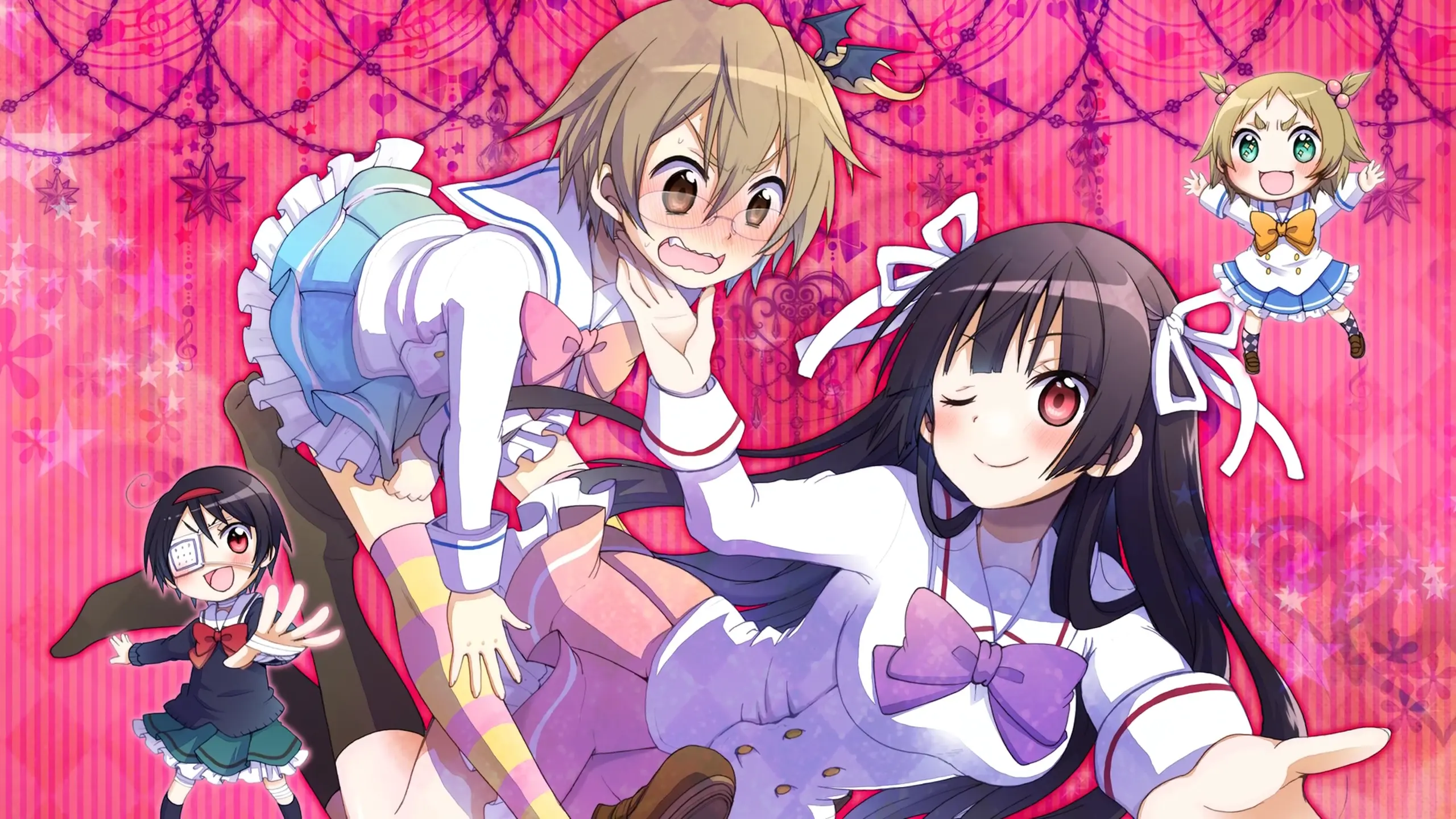
Episode 6 — Yuto
Yuto studied under Hekiru Hikawa. The best-known work here is probably Hanamaru Kindergarten, which also received an anime adaptation. At first glance, Yuto also seems like the kind of mangaka who favors drawing cute young girls, though later work such as Asmodeus wa Akiramenai complicates that impression a bit.
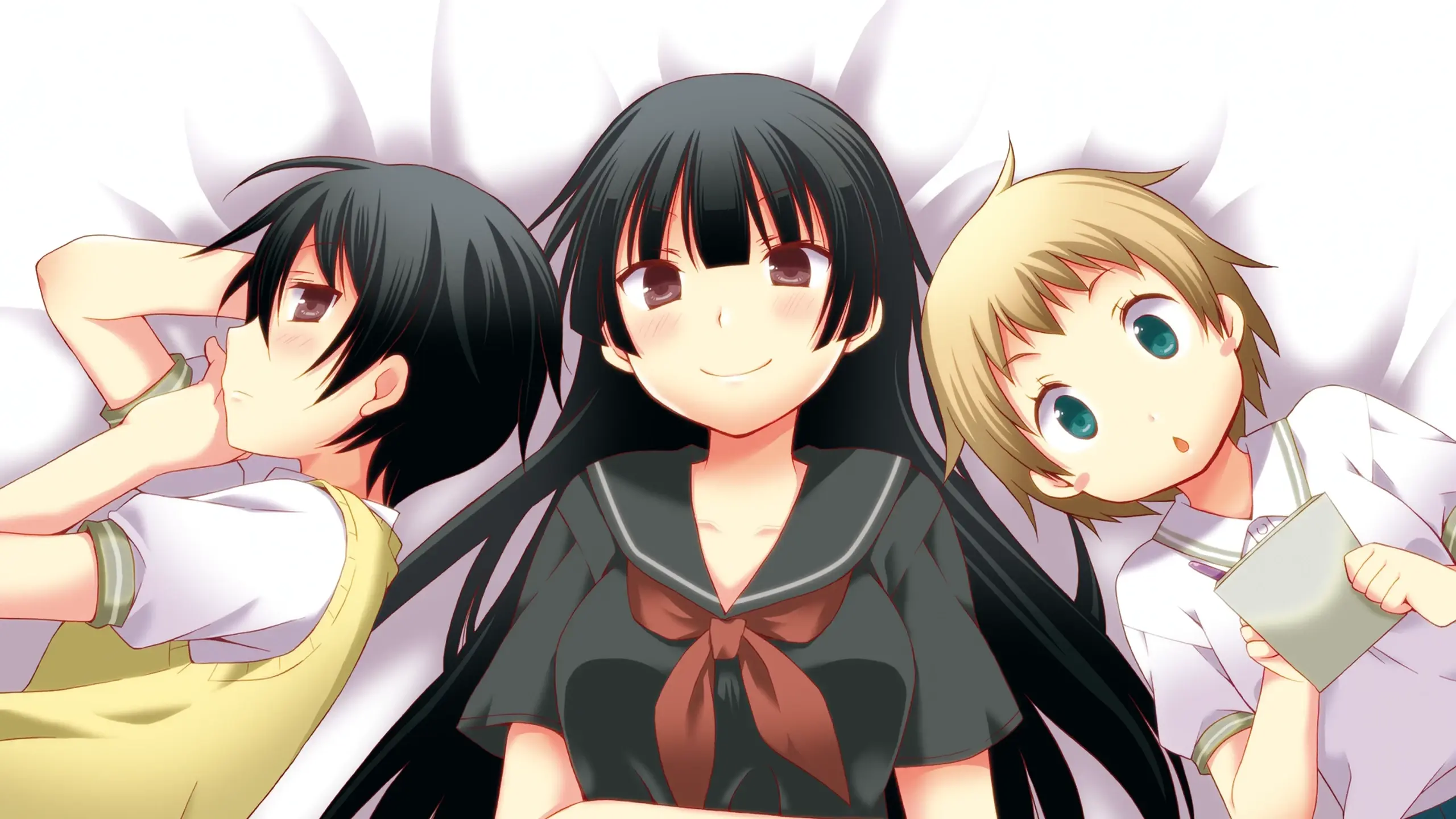
Episode 7 — Nylon
This illustration is packed with a distinctly sensual edge. Looking at it, you might suspect the artist also draws adult-oriented work—and that suspicion would not be misplaced.
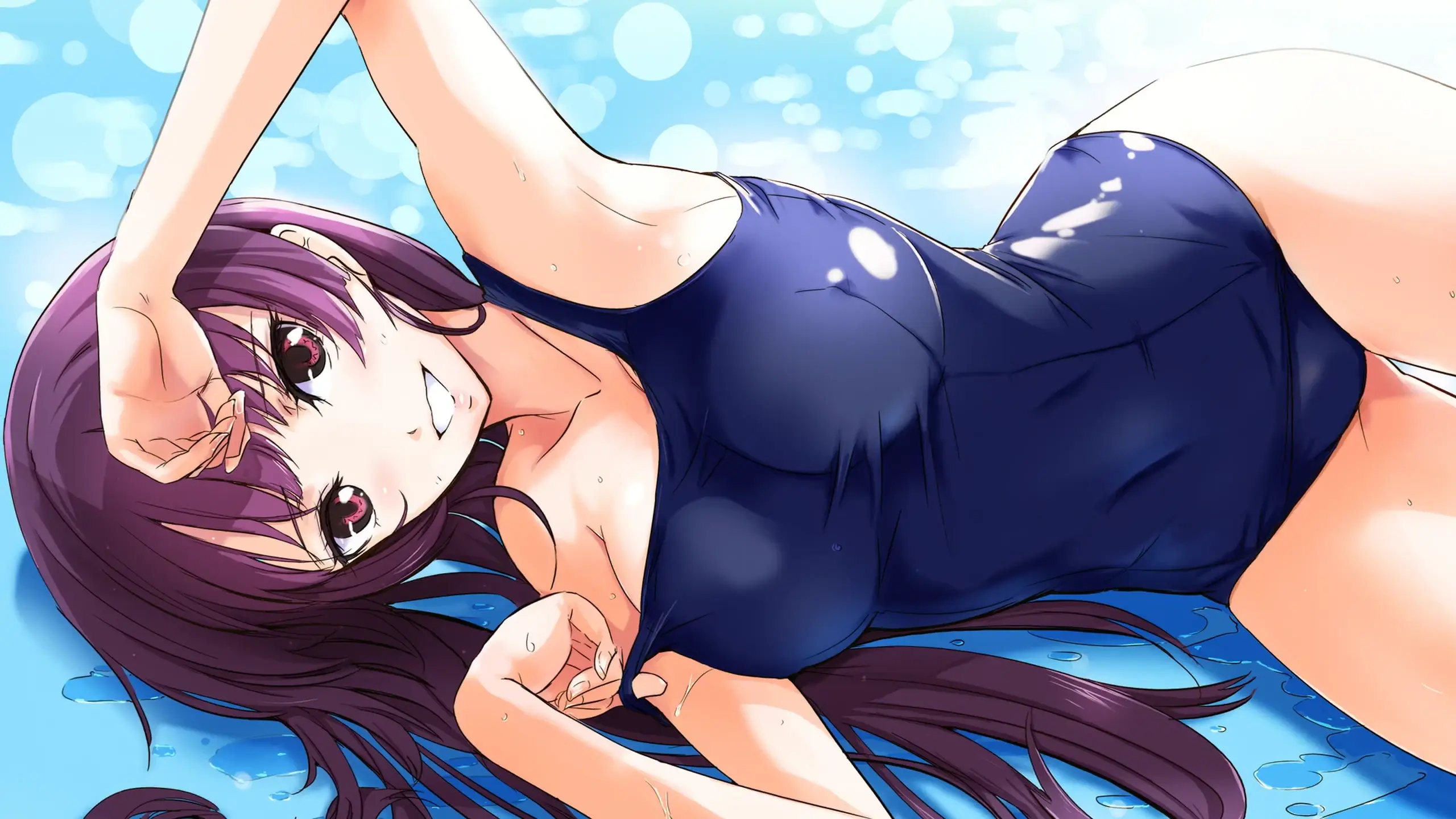
Episode 8 — Hiro Kiyohara
Hiro Kiyohara mainly works on book illustrations, especially for mystery novels, and has also contributed character designs for games.
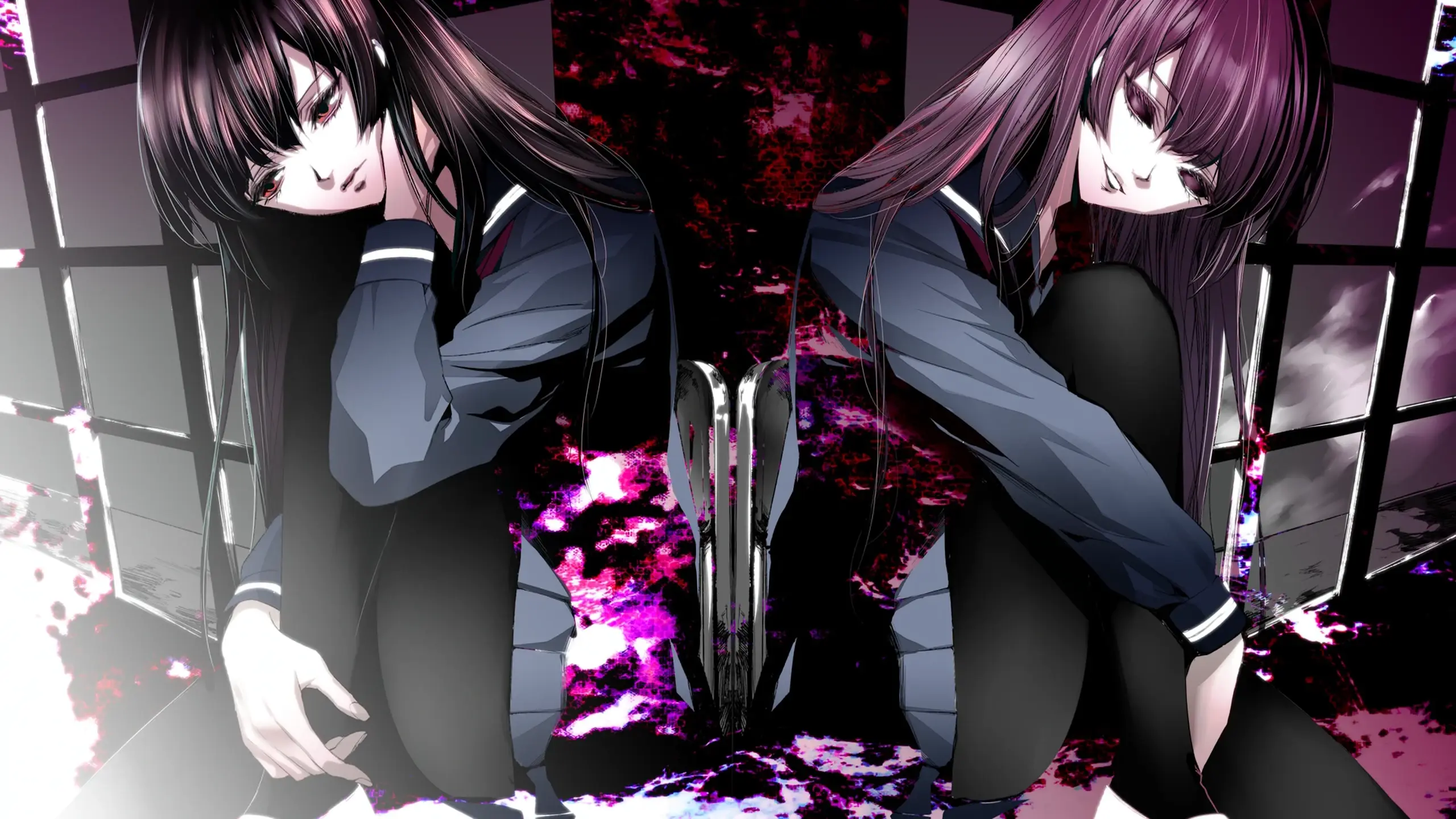
Episode 9 — Mako Aboshima
Based on available credits, Mako Aboshima appears to have been active in animation and game key art roughly between 2000 and 2005. More recently, Aboshima contributed character design work for BOFURI: I Don’t Want to Get Hurt, so I’ll Max Out My Defense. Information beyond that is relatively sparse.
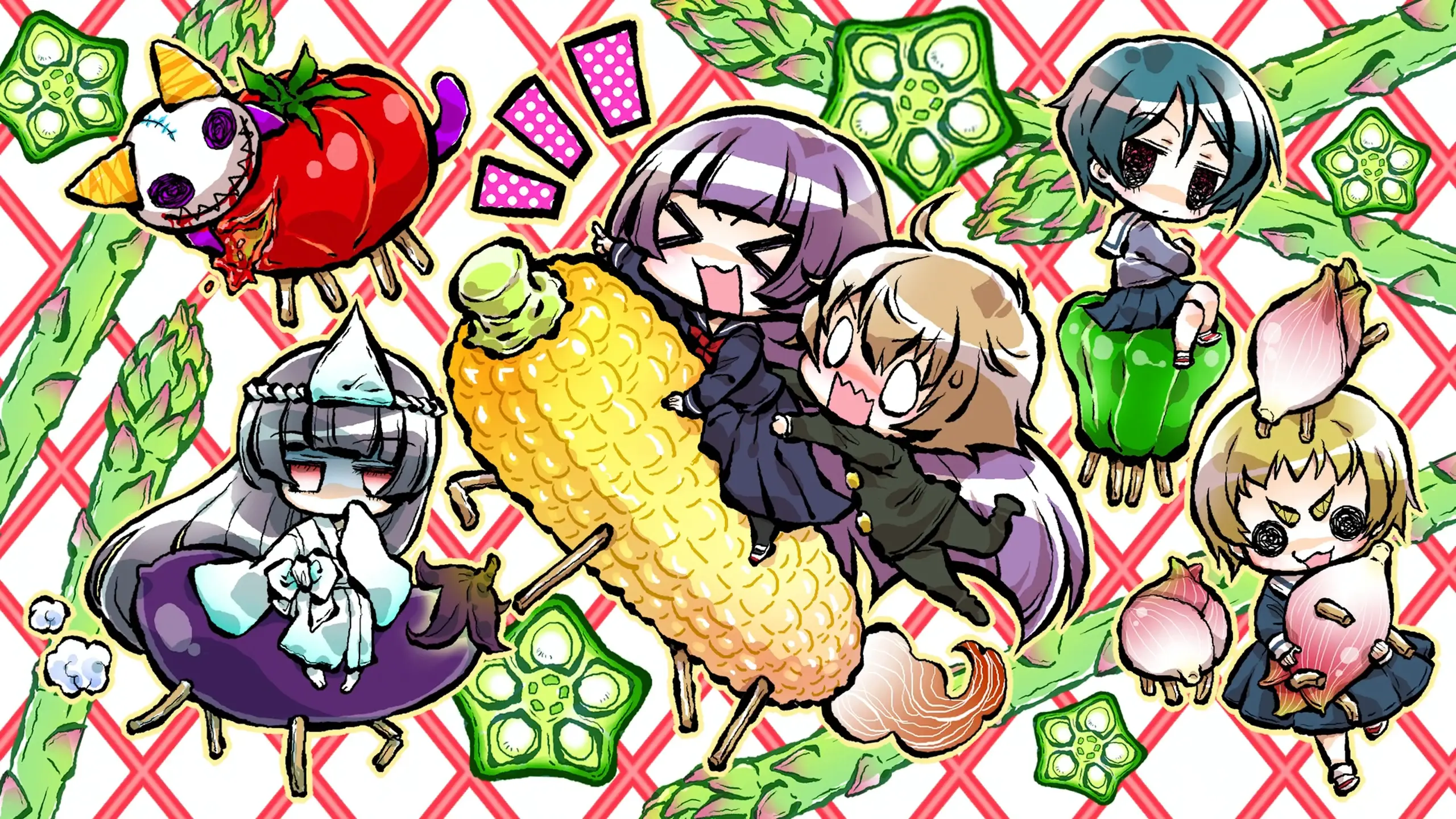
Episode 10 — Mel Kishida
Mel Kishida has provided character designs for many games and anime. Among anime fans, one of the most recognizable credits is probably Hanasaku Iroha. He has also appeared in live-action television, making him one of those rare figures known as much for his presence as for his artwork.
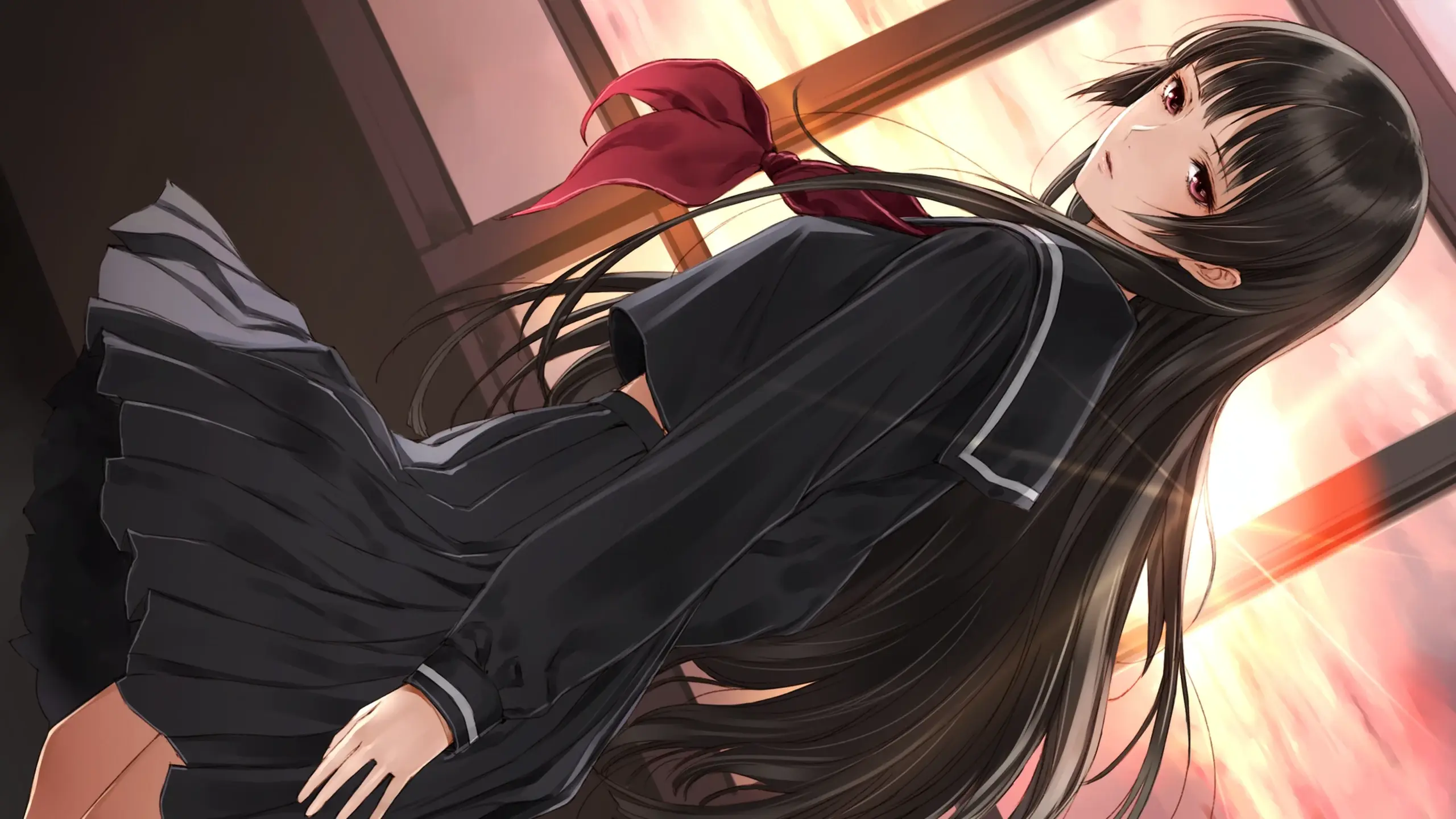
Episode 11 — namo
This card is especially nice to look at, and the style is easy to like. Even so, namo has remained in that not-quite-breakout, not-quite-obscure zone. The manga The Coppersmith’s Bride is one of the ongoing works associated with the artist.
Whatever the level of recognition, the drawing style itself is undeniably appealing.
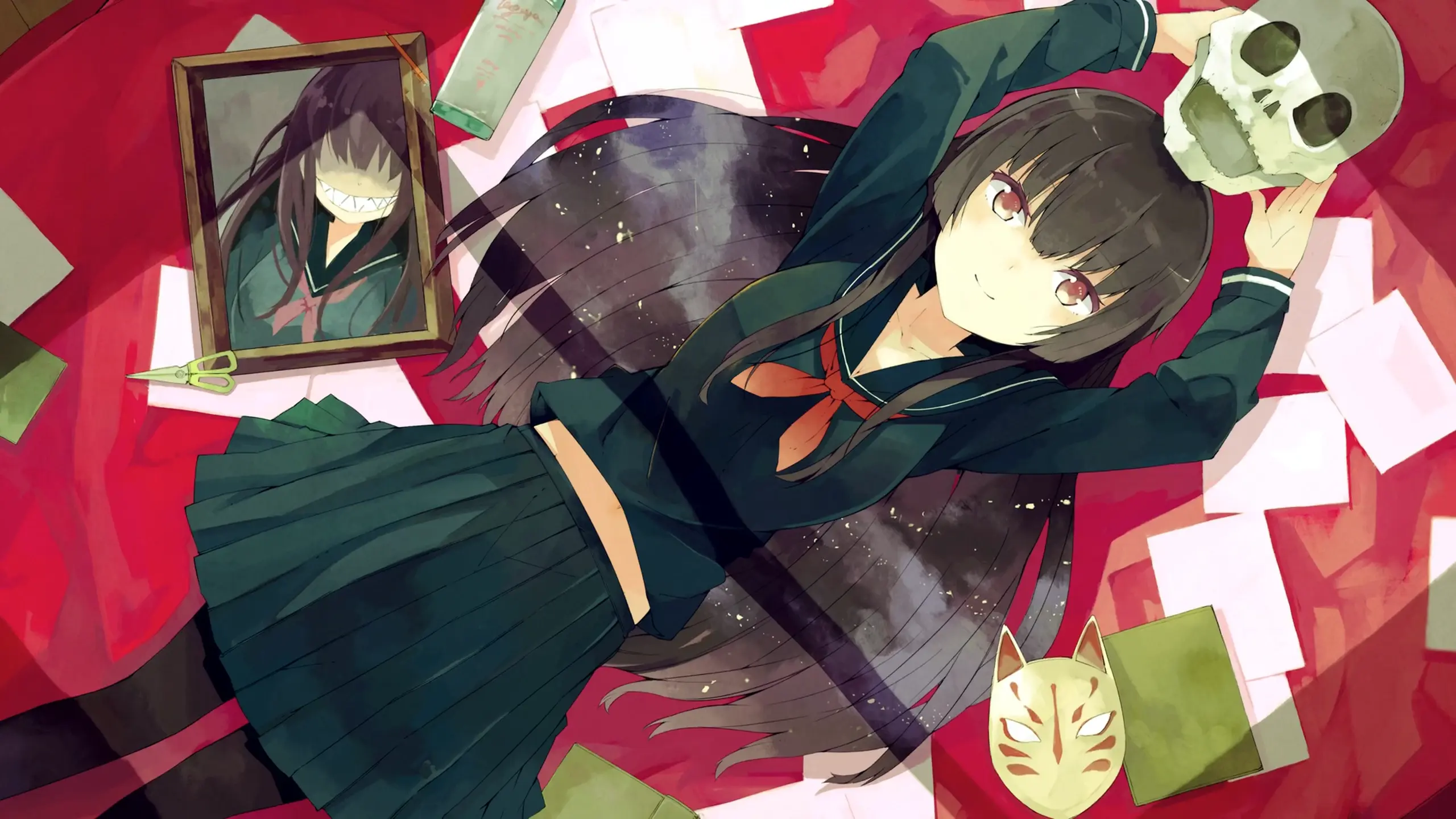
Episode 12 — maybee
Maybee is the creator of Dusk Maiden of Amnesia itself, though the name refers to a two-person unit: maybee handles the art, while Risotimo is responsible for composition. Before this series, the pair had mainly been active in adult manga magazines.
A later manga, Tales of Wedding Rings, is still running, though its reputation is mixed. There is a certain crowd that would rather see the creator return to earlier territory.
Episode title cards
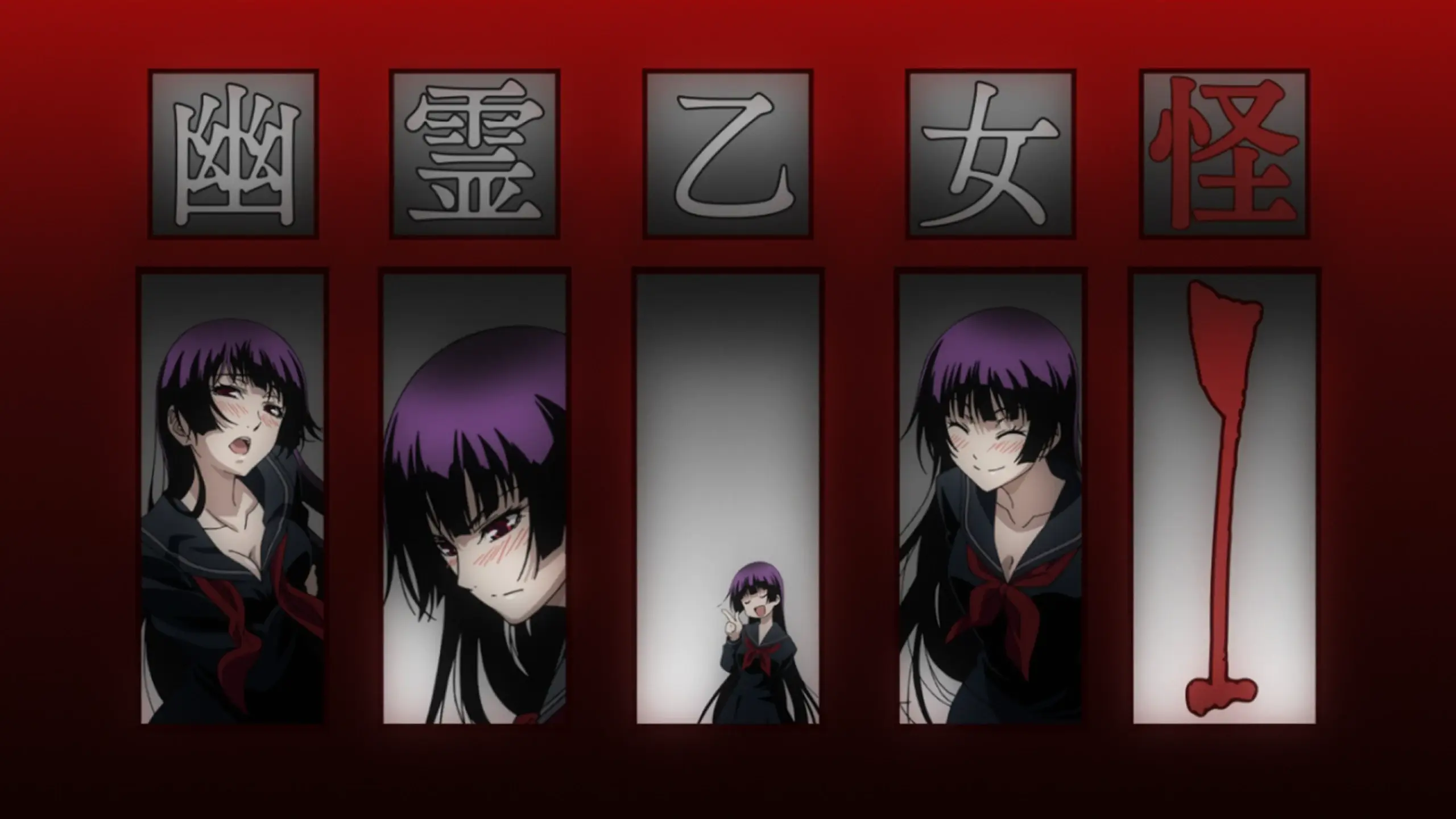
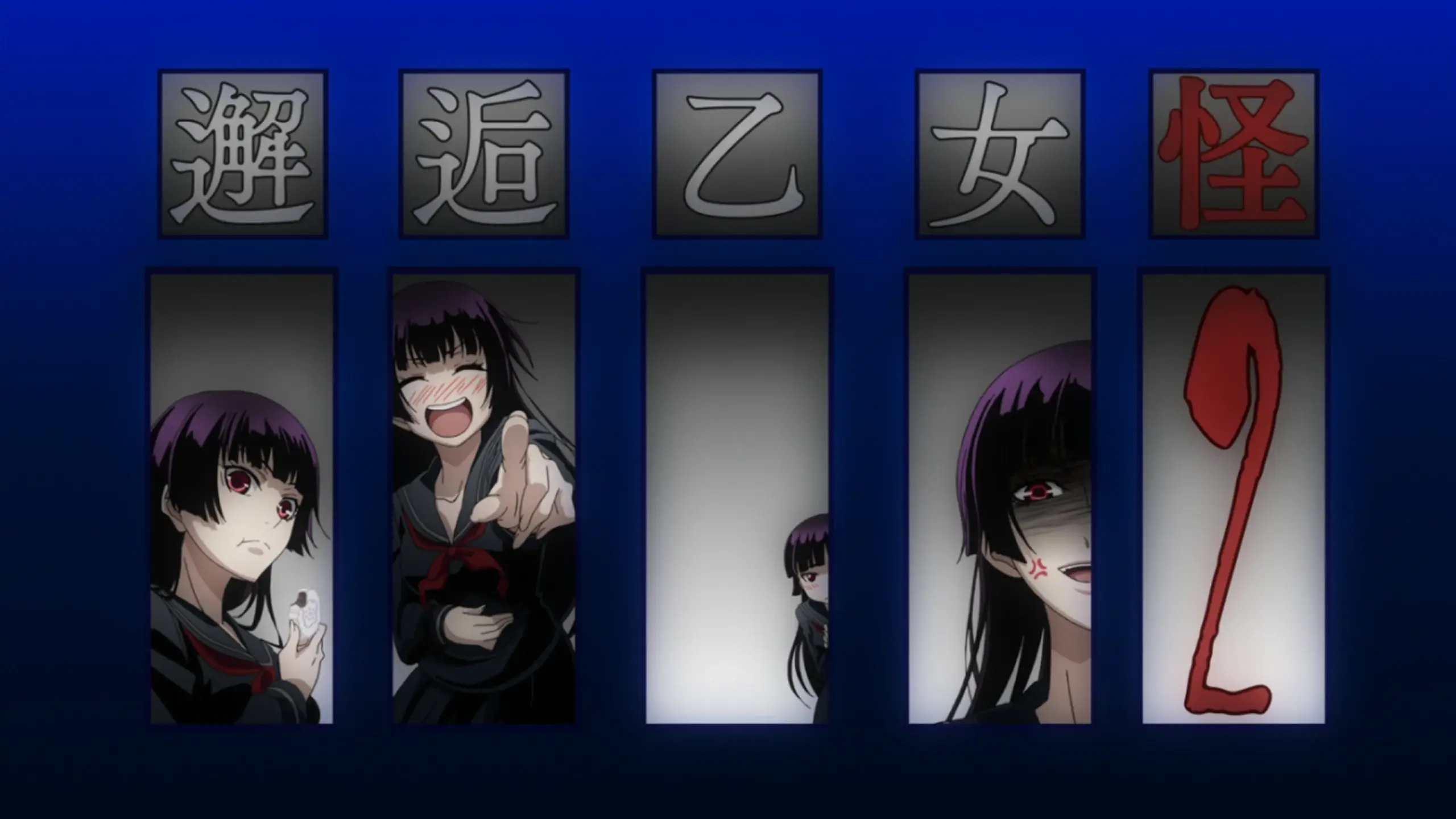
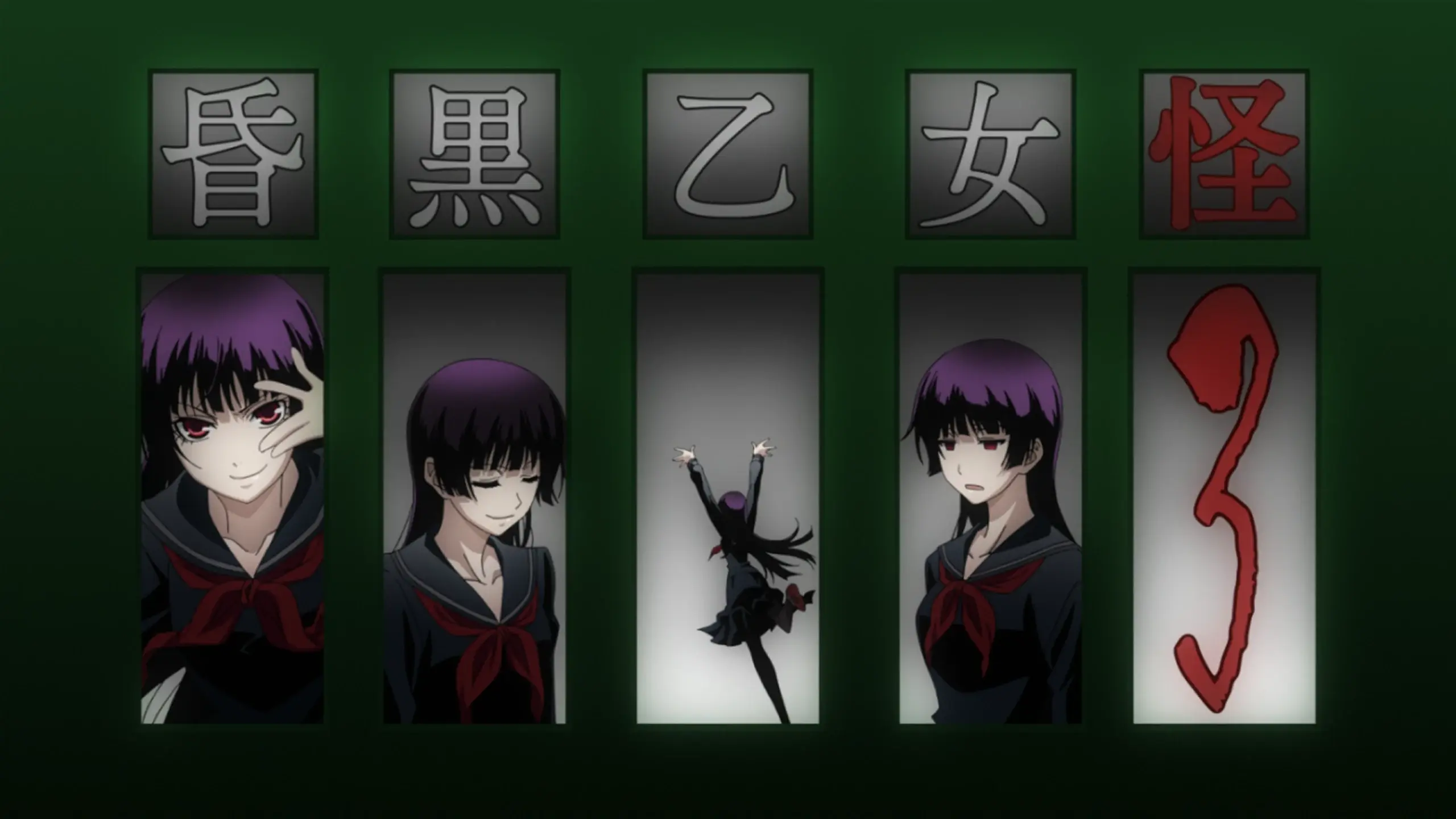
Alongside the end cards, the series also used a set of episode titles built around the recurring “maiden” motif.
Mystery 1 — Ghost Maiden
Mystery 2 — Encounter Maiden
Mystery 3 — Dark Maiden
Mystery 4 — Dawn Maiden
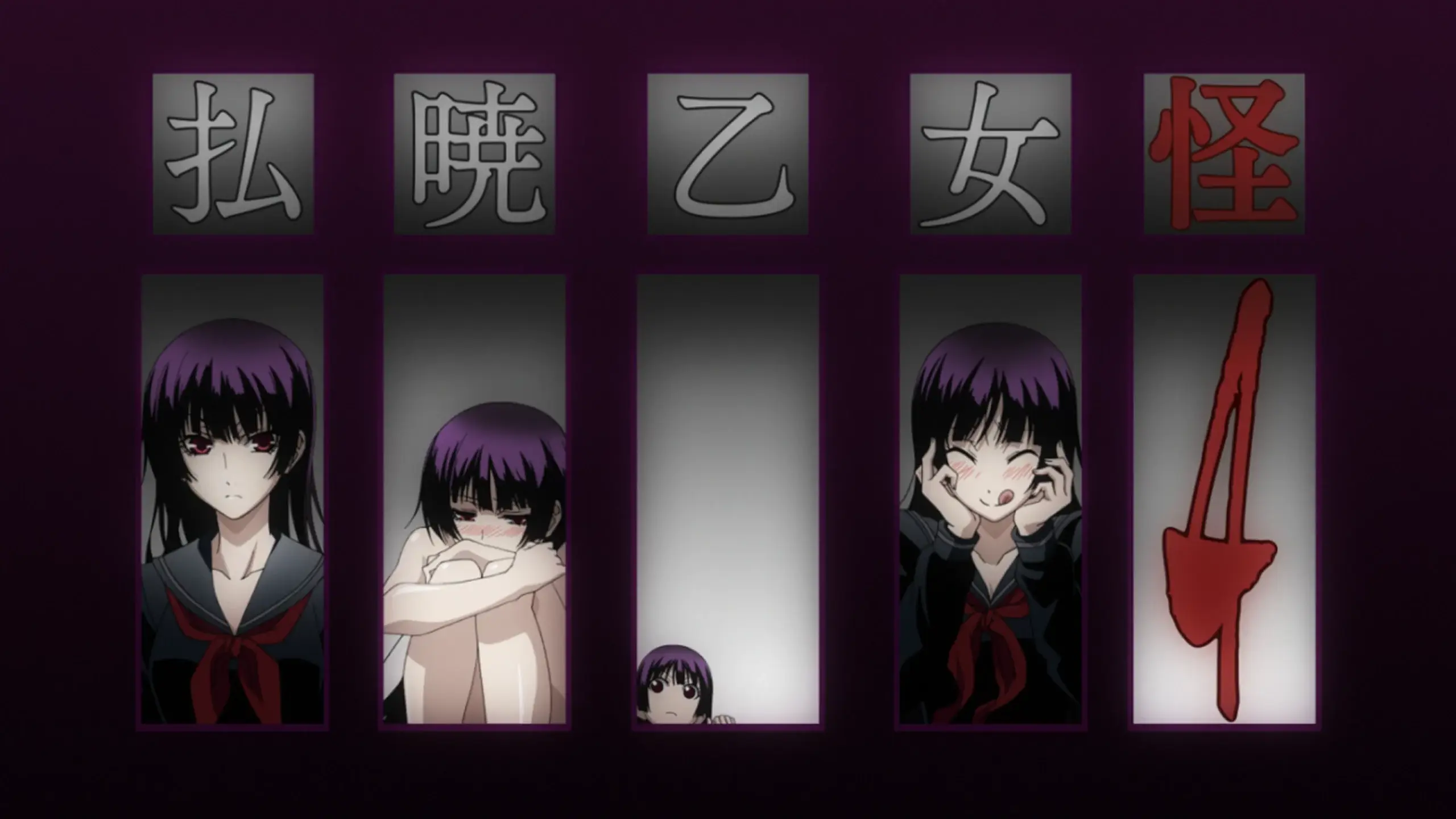
Mystery 5 — Longing Maiden
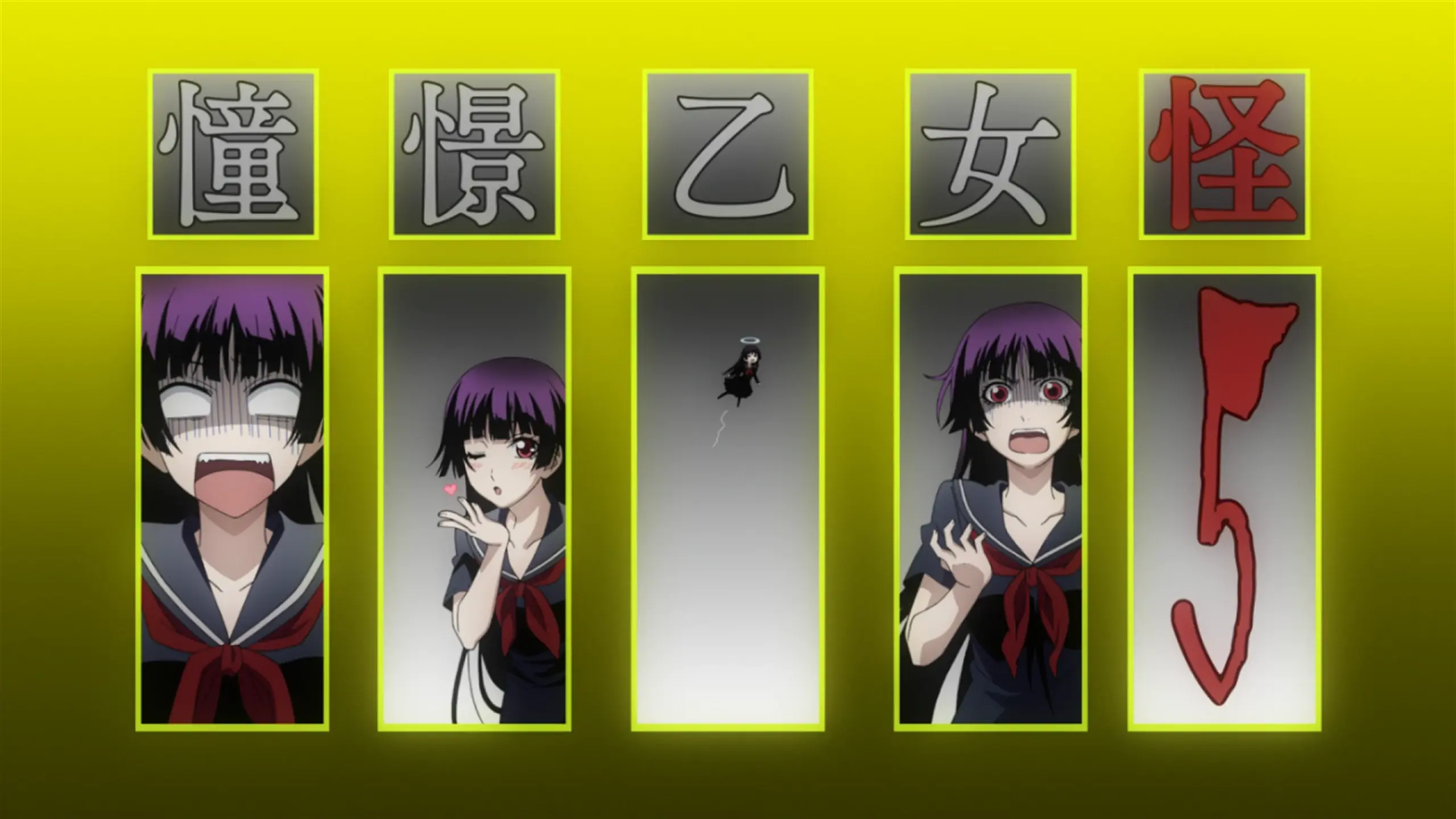
Mystery 6 — Vengeful Maiden
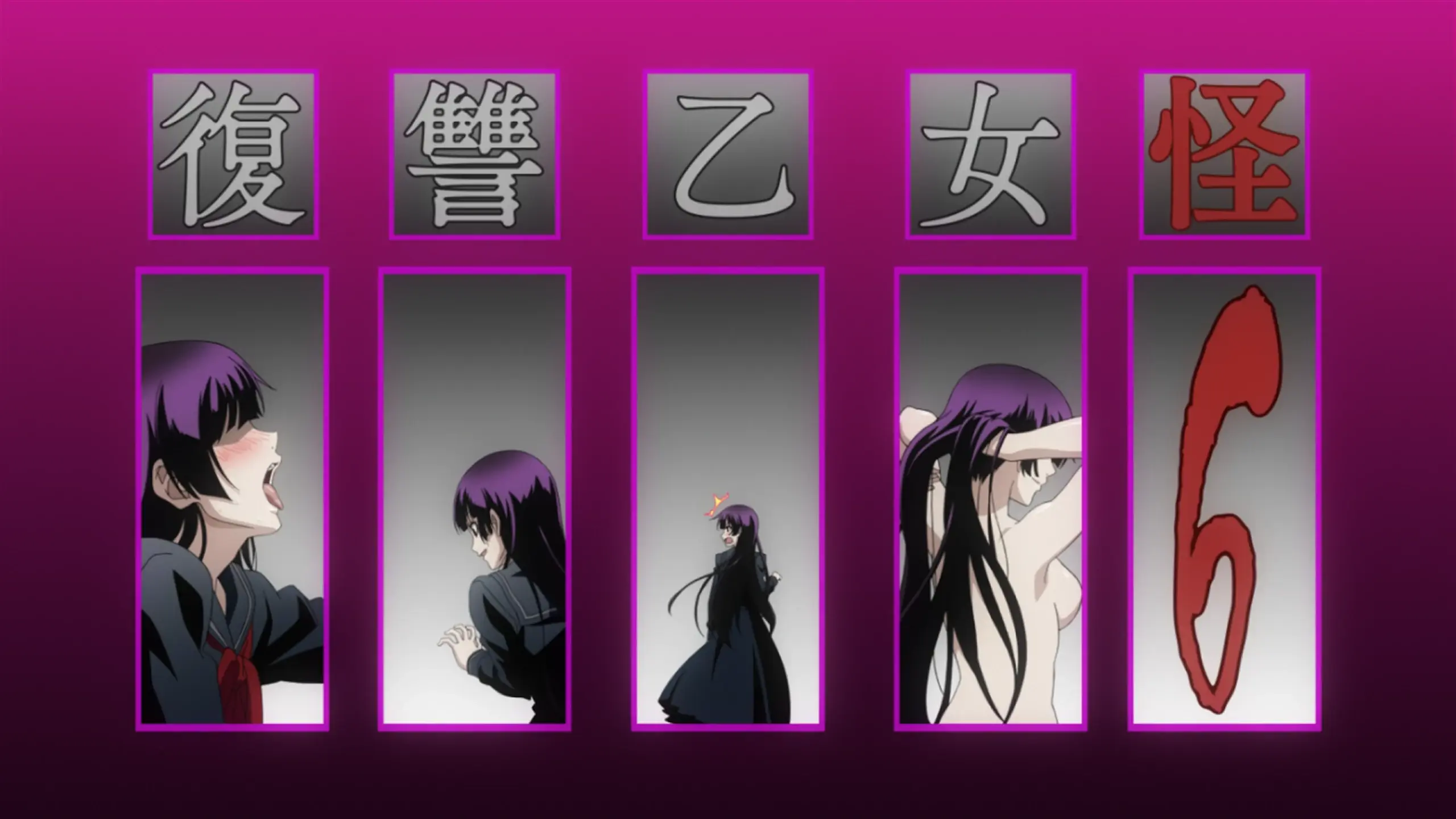
Mystery 7 — Forgetful Maiden
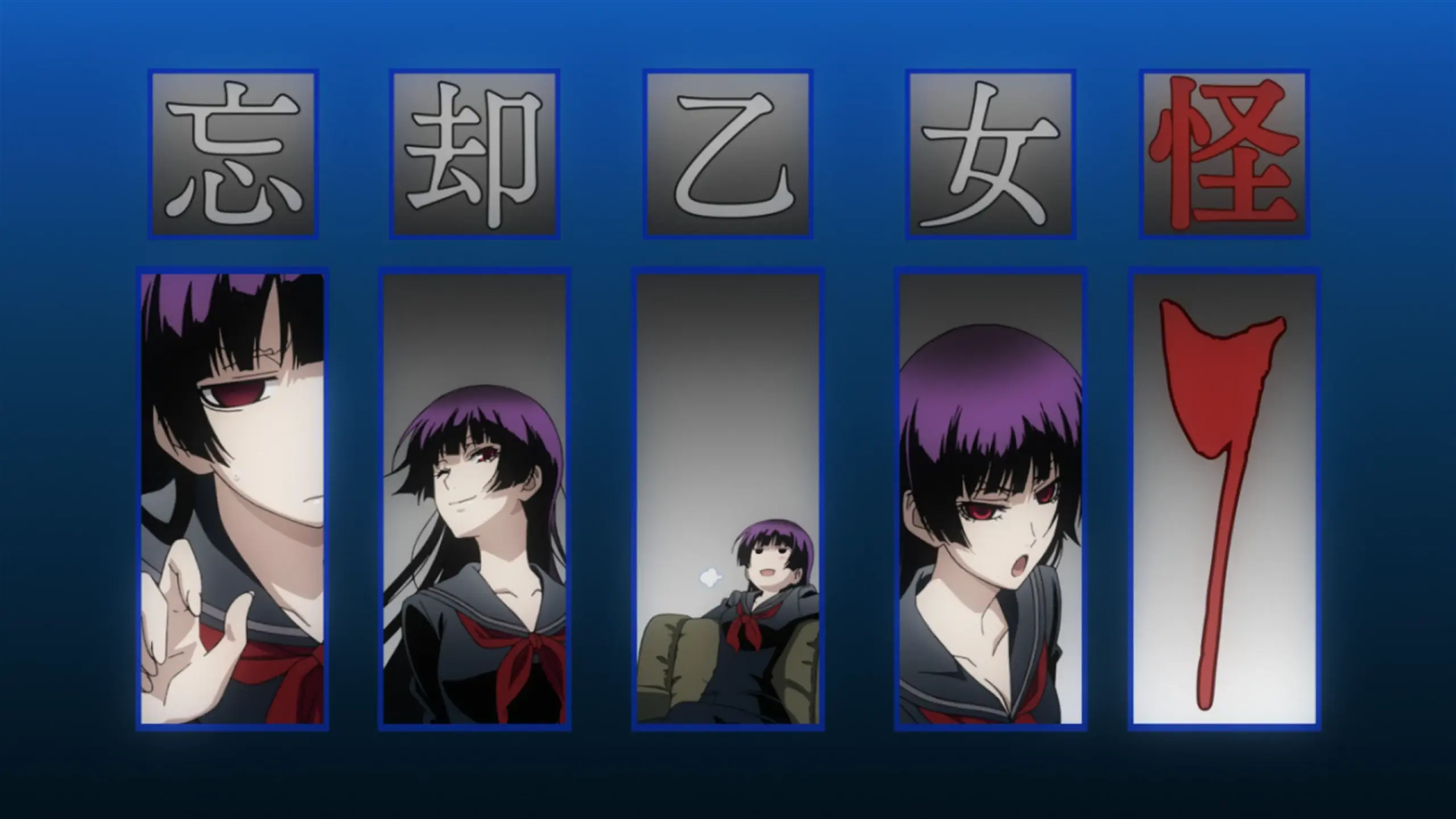
Mystery 8 — Recollecting Maiden