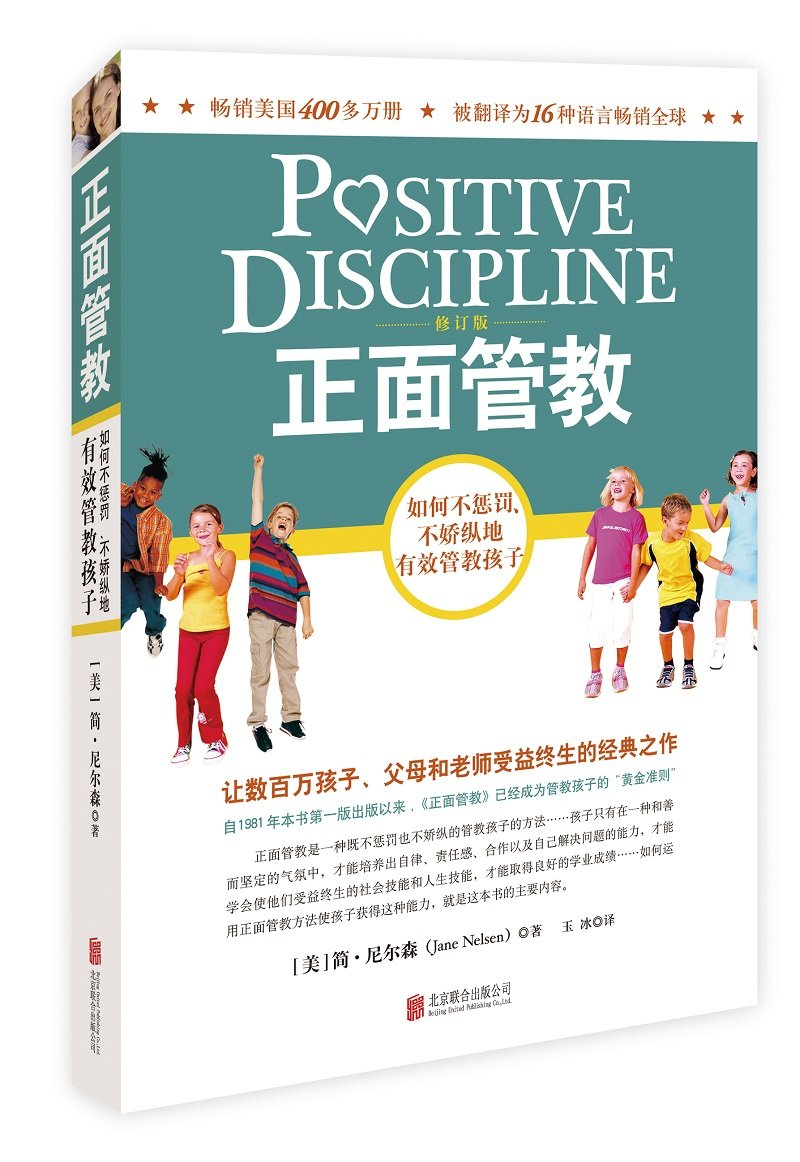
It took me a little over three months to finish Positive Discipline, and it is absolutely the kind of book that deserves a second reading.
One feeling stayed with me throughout: when a child grows up without proper guidance, shortcomings in behavior, temperament, and attitude are almost inevitable before real self-awareness has a chance to develop. Sometimes those shortcomings show up even more sharply as rebellion or behavior that feels impossible to manage. While reading, I kept replaying scenes from my own childhood. In many of them, I could suddenly see much more clearly how the poorly guided version of myself back then still shows up today in some of my weaker traits.
And it is not only children this applies to. Looking at the people around me, especially those younger adults so often described as "hard to manage," I cannot help noticing that if you view them first as former children, many of the same patterns from the book seem to be right there.
What struck me most is that the book is not meant to be used as a collection of tricks. Its purpose is not to hand parents a set of moves for suppressing tantrums or dealing with every unreasonable outburst. Instead, through detailed examples and explanations, it asks adults to face the real issue and work through it with the child in a way that is both kind and firm.
My daughter is three years old now. Whenever she does something I cannot understand, and I realize I cannot simply overpower or control the situation, I find myself asking a different question: maybe I still do not understand her well enough. If that is true, then how can I know her better?
The most direct way I found was reading. Over these three months, nearly every time I opened this book, it gave me something new to think about. Sometimes it made me reflect on the wrong attitude I had taken with my child. Sometimes it pushed me to think about what real, high-quality time with her should look like. Sometimes I tried applying the methods from the book in daily life.
But more than anything, reading and practicing at the same time slowly became a way of learning how to be a better father. It has been less about mastering techniques and more about learning how to be with my child, how to get along with her, and how to grow alongside her.
I plan to read it again, more carefully next time. I suspect there is still much more in it that I have not fully absorbed.