A different kind of celebrity
There are people who should be remembered far more deeply than entertainers or internet idols.
A declassified Pentagon document released in 2015 showed that as early as 1956, plans had been drawn up for a nuclear strike on China. The scheme reportedly involved 870 missiles aimed at destroying 117 cities, and even envisioned using 30 nuclear bombs to wipe out 300 million of the country’s effective living forces. It is hard to read that kind of history without realizing how close a nation can come to catastrophe.
In those years, some people held up the backbone of China with their own bodies, minds, and lives. The peace and comfort enjoyed today should not rest on forgetting them. If they are missing from the pages most people read, they should still remain in memory.
Deng Jiaxian
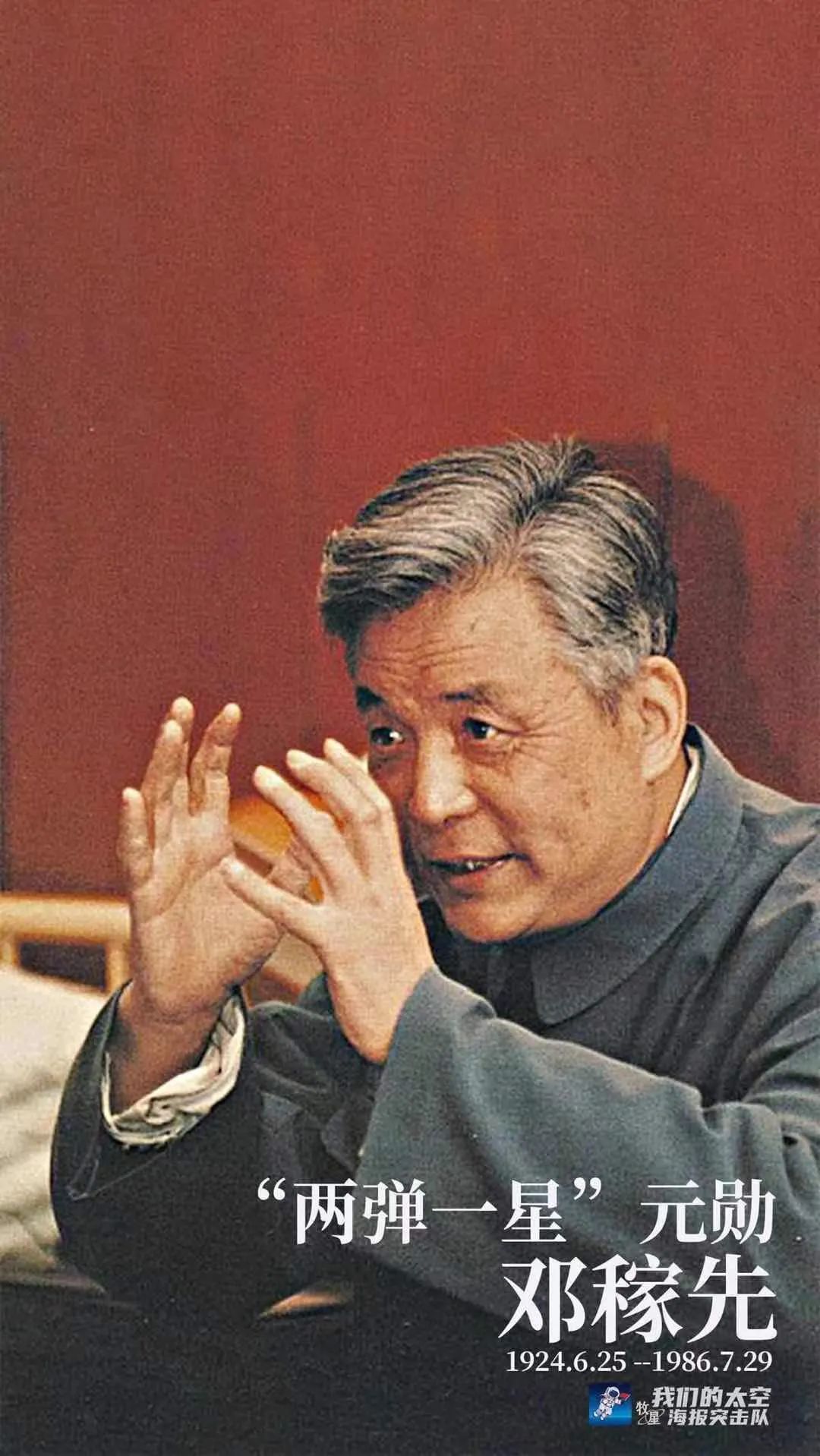
When China’s nuclear program was still starting from almost nothing, it faced not only a lack of equipment and technology, but also layers of international blockade. There were no computers to rely on. Calculations had to be done by hand, on paper, with an abacus.
Deng Jiaxian worked under those conditions while radioactive materials slowly damaged his body. In his later years, blood was often hanging at the corners of his mouth. Pain relief came in the form of injections, one after another, as often as once an hour. He endured all of it until 1964, when China’s first atomic bomb was successfully detonated.
Jin Wudai
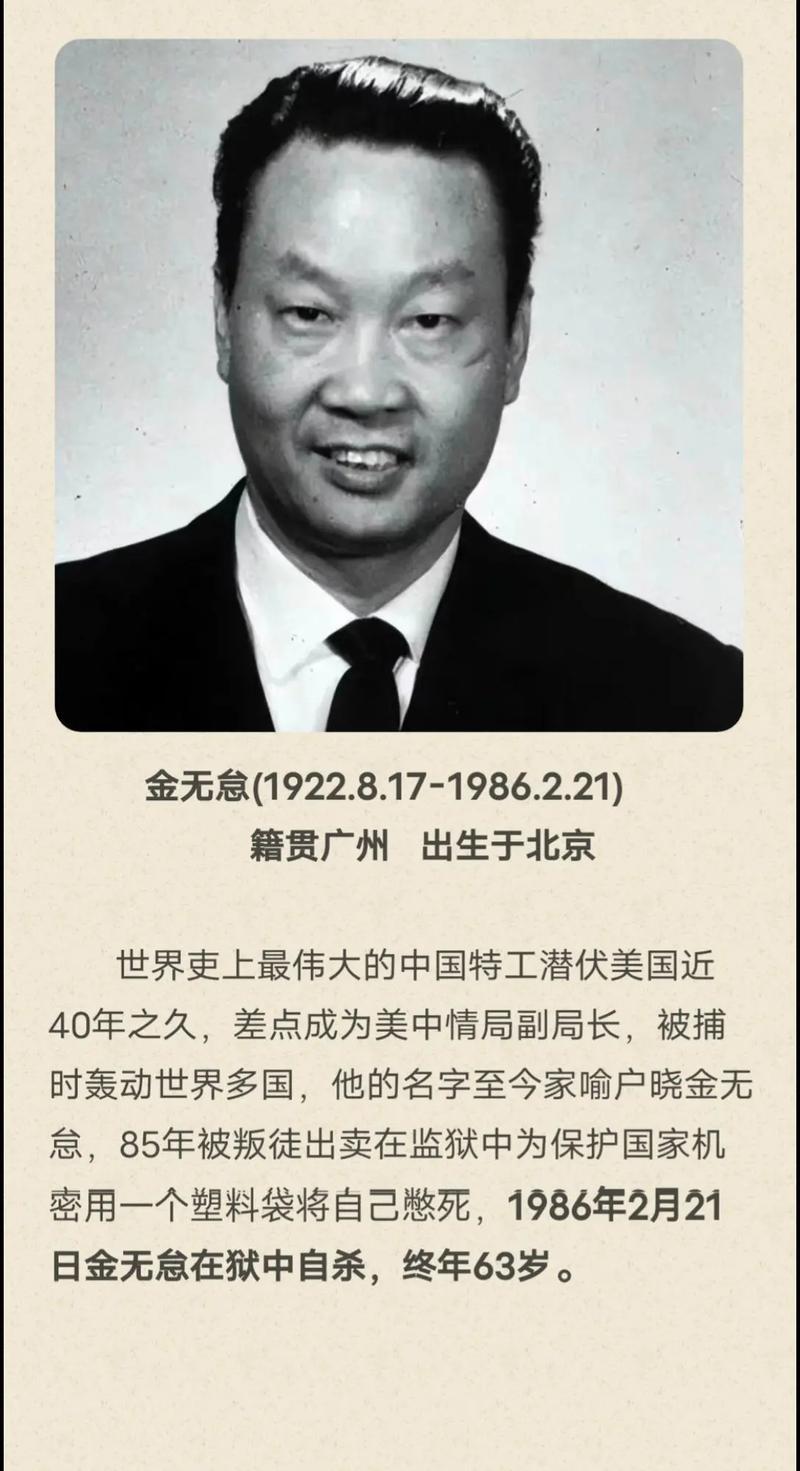
Qian Xuesen’s safe return to China is tied to Jin Wudai.
Back then, Qian received a telegram signed in his father’s name, warning him not to disembark during the journey home. But the telegram had not actually been sent by his father. It had been sent by Jin.
Jin Wudai spent 37 years undercover inside the CIA, rising from a low-level position to become an expert in counterintelligence. During the Korean War, he transmitted valuable intelligence back home. He was also involved in helping create the conditions that later led to Nixon’s visit to China.
In 1985, he was exposed after being betrayed by Yu Qiangsheng and was arrested. To protect state secrets, he ended his own life by putting a plastic bag over his head.
Zhao Zhongyao
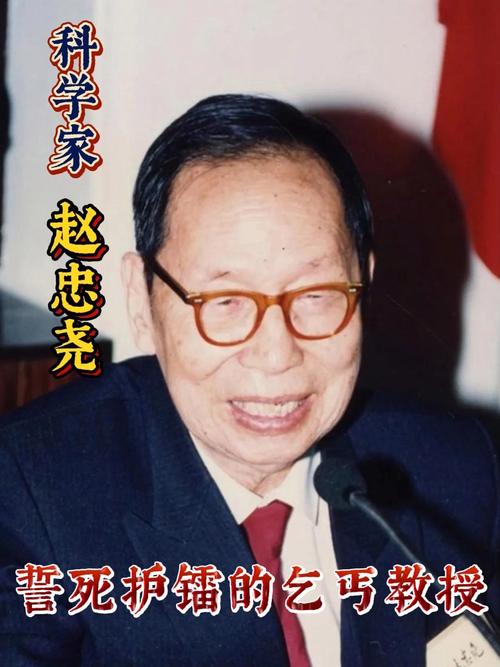
Zhao Zhongyao discovered antimatter in the United States, a contribution that should have put him in line for the Nobel Prize, but his results were taken by a colleague.
After the September 18 Incident, he gave up a high-paying life abroad and returned to China. Later, after the July 7 Incident, radium had been left in a Tsinghua laboratory under Japanese occupation. Zhao managed to retrieve it, disguised himself as a beggar, and traveled 1,500 kilometers on foot over the course of three months to deliver the radium safely to Changsha.
They deserve remembrance
History does not always speak loudly about people like these. But forgetting them would be a deeper failure than not knowing any famous star.
Some built deterrence with slide rules and dying bodies. Some hid in the enemy’s system for decades without leaving their names behind. Some carried irreplaceable scientific materials across a country at war, step by step, in disguise.
These are the people worth remembering.