At 8:20 p.m. on July 23, Coco called me.
I was still at work, stuck in a meeting, so I didn’t answer. A few seconds later, a message and a location pin came through on QQ.
Dad, my tablet ran out of battery, and now I don’t know how to get home.
The location showed Taisheng South Road.
I called back immediately, but no one picked up. I kept trying—dozens of calls, all unanswered. Panic hit almost instantly.
A few minutes later, I called her grandmother. She said Coco had gone to a classmate’s house that afternoon and had called earlier to say she was on the way back. I called again soon after to ask whether she had made it home. She still hadn’t.
Then I pressed for details: exactly when had she said she was on the way back? Once I compared the times, my heart dropped. That call had happened before Coco tried to reach me.
The fear got worse.
Around the same time, Coco’s mother messaged me. A classmate’s father had added her on WeChat. Coco had also sent a message to her classmate saying that her tablet had died and she couldn’t find the way. The classmate and the classmate’s father were already downstairs and searching along the road toward the school.
At that moment, I was in the eastern new area, at least an hour away from home. Coco’s mother was in Beijing. Our whole family has a shadow hanging over anything involving a child getting lost. Her grandmother was downstairs waiting anxiously, drenched in sweat.
I rushed back as fast as I could, growing more tense and more afraid by the minute. Coco’s mother suggested calling the police, so we did.
Then at 9:25 p.m., a message from Coco suddenly appeared.
I let out a long breath.
When I called her, she sounded shaken too, her voice carrying a faint tremble of tears.
What had happened was this: after leaving her classmate’s home, she had walked for a while and realized she couldn’t find the way back. She didn’t recognize the route, and her tablet had run out of power. In the final seconds before it died, she managed to call me—unsuccessfully—and send messages asking for help, one to me and one to her classmate.
After that, she thought she could still make it home on her own.
She walked for nearly an hour before finally realizing she really could not find the way. So she turned back toward her classmate’s residential compound. Downstairs, she ran into a kind man who happened to have a power bank. He helped charge her tablet, and only then was she able to get back in touch.
At 10:03 p.m., I reached the entrance of the classmate’s neighborhood and picked Coco up.
I was so relieved I could have cried.
It had been too close, too frightening. Even thinking back on it now still leaves me rattled.
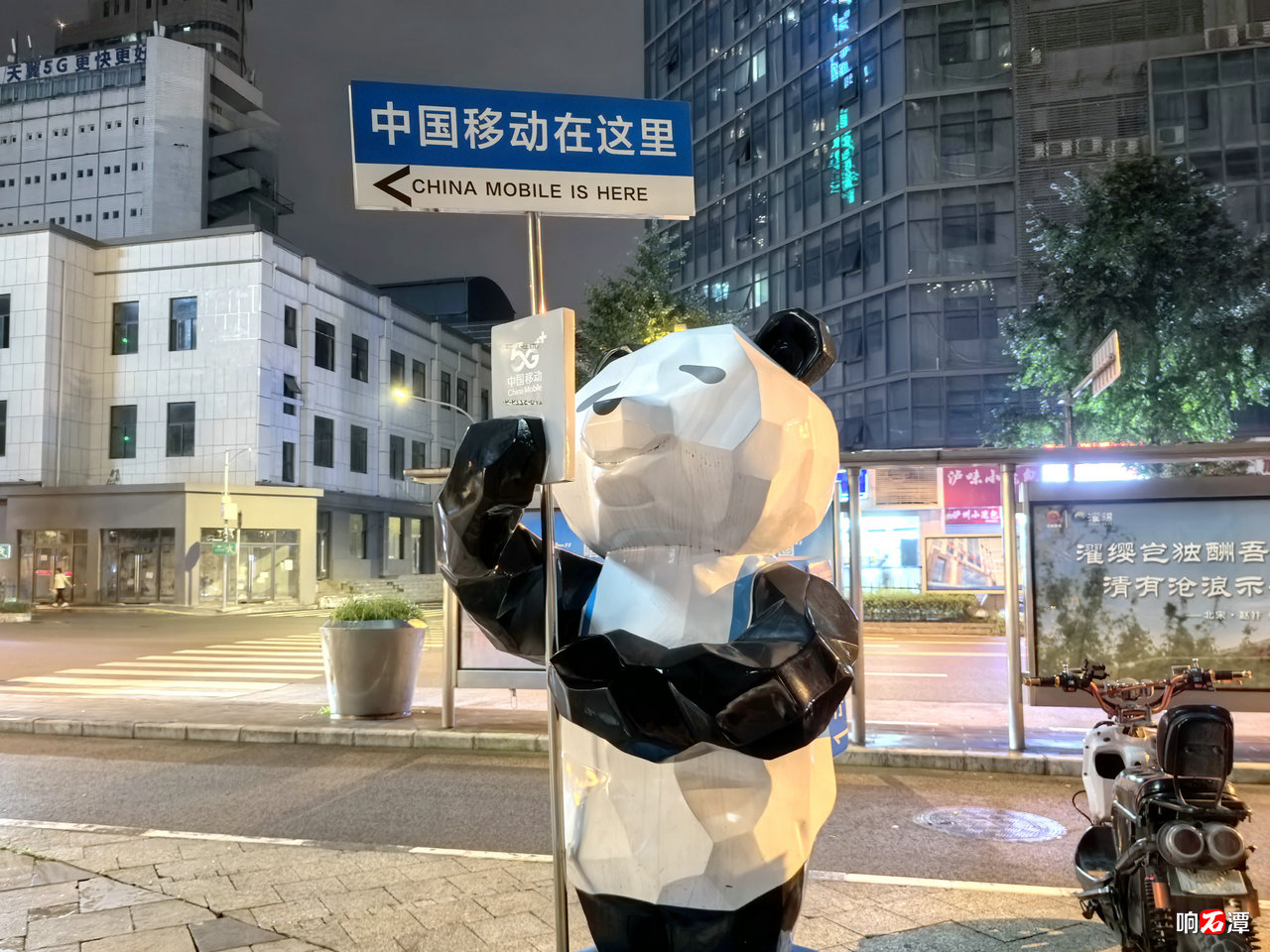
We walked together for a while, and I asked her to tell me where she had gone on her own. One of the places she mentioned was Taisheng South Road, where there was a giant panda figure. She said she had walked all the way there.
She had thought it was a road sign and gone over excitedly, hoping it would help her find the way.
Instead, what she saw was: “China Mobile is here.”
Just hearing that hurt.
I asked her why she hadn’t borrowed a phone from someone on the street. She knows our phone numbers by heart.
Her answer was simple: what if those people were bad people?
I asked why she hadn’t gone back to her classmate’s home for help right away.
She said that at first she had been confident. She really thought she could find her own way home.
While I was waiting at the gate for her to come out, she sent me a message on WeChat:
Dad, see? If you don’t take me out more often, I can’t even find my way home.
Her QQ status reads:
Hang your dreams above the sea, and you won’t fear the wind and waves; scatter your laughter across the beach, and you won’t fear being cut off; place your courage in the ocean, and you won’t fear being struck down; blend your passion into the sea…
Maybe it really is time to take her to see the ocean.
Maybe what we need is a trip—one planned properly this time.